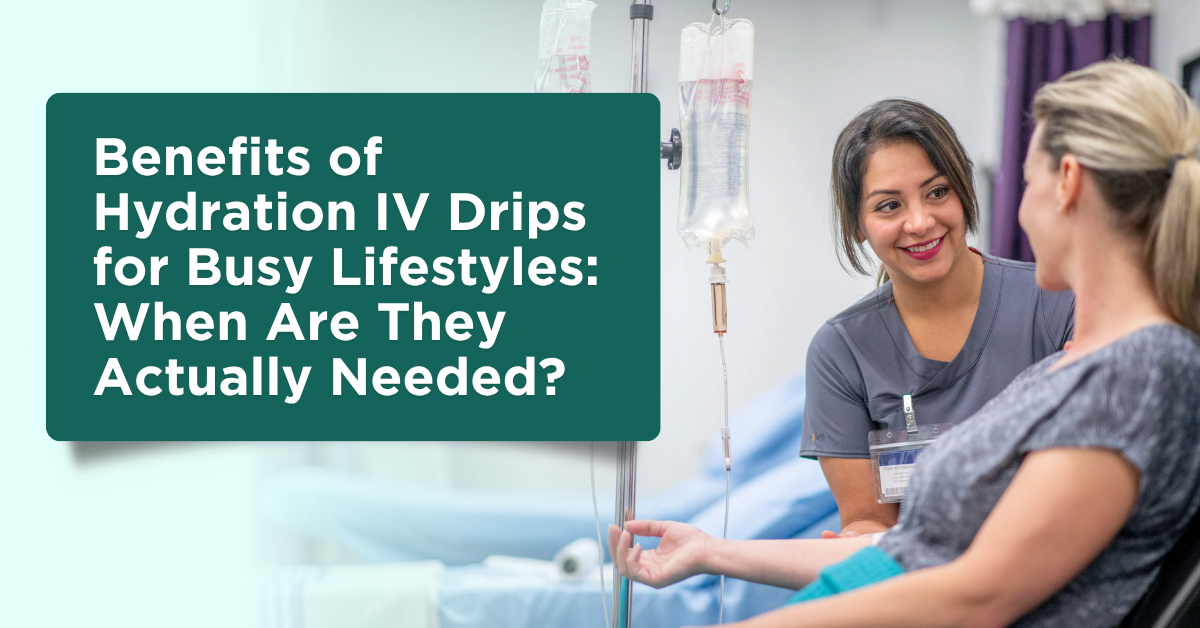
Between long working hours, family commitments, exercise and everyday responsibilities, it can sometimes be difficult to stay on top of hydration. When tiredness, headaches or feeling run-down appear, an increasingly promoted solution is the hydration IV drip.
Intravenous fluids have an important and established place in healthcare. By delivering fluid directly into a vein, IV therapy can help restore fluid balance when someone is significantly dehydrated or unable to replace fluids adequately by drinking.
However, hydration IV therapy is not automatically necessary simply because you feel tired or have had a busy week. Fatigue can have many causes, and claims that IV drips routinely “boost immunity”, increase energy or improve general wellness require careful consideration.
Understanding when an IV drip may be clinically appropriate and when drinking fluids or investigating an underlying health issue may be more appropriate can help you make an informed decision with your GP.
What Is a Hydration IV Drip?
A hydration IV drip delivers fluid directly into the bloodstream through a small intravenous cannula placed into a vein.
The composition of an IV infusion depends on its clinical purpose. Medical IV fluids may contain water with specific concentrations of electrolytes such as sodium and other substances according to an individual’s needs.
Because the fluid enters the bloodstream directly, IV administration bypasses the digestive system.
This makes intravenous fluids particularly useful when a person cannot drink enough fluid or when dehydration is severe enough to require medical treatment. Healthdirect advises that severe dehydration requires urgent medical care and may be treated with IV fluids in hospital.
When Might IV Hydration Therapy Be Considered?
The need for IV hydration therapy should be determined according to an individual’s symptoms, medical history and clinical assessment.
IV fluids may be considered in circumstances where someone:
- Has significant or severe dehydration
- Has experienced substantial fluid loss through vomiting or diarrhoea
- Cannot tolerate enough fluids orally
- Requires fluid replacement as part of medical treatment
- Has an illness or medical condition affecting hydration
- Requires intravenous treatment as determined by a healthcare professional
For mild dehydration, drinking water or an appropriate oral rehydration solution is usually the first approach rather than intravenous treatment.
What Are the Signs of Dehydration?
Dehydration occurs when the body loses more fluid than it takes in.
It can happen after illness, prolonged vomiting or diarrhoea, heavy sweating, inadequate fluid intake, exercise or spending extended periods in hot weather.
Possible symptoms include:
- Thirst
- Dark-coloured urine
- Dry mouth or tongue
- Headache
- Tiredness
- Light-headedness
- Irritability
- Reduced urination
Healthdirect notes that severe dehydration can lead to dizziness or collapse and requires medical attention.
If dehydration symptoms are significant, persistent or accompanied by other concerning symptoms, medical assessment is important rather than simply attempting to replace fluids yourself.
Can an IV Drip Help With Fatigue?
This is where the distinction between treating dehydration and treating general tiredness becomes important.
Dehydration can contribute to fatigue. If a person is genuinely dehydrated and requires intravenous fluid replacement, correcting the dehydration may help resolve symptoms associated with the fluid deficit.
However, IV therapy for fatigue should not be viewed as a universal solution.
Persistent tiredness can have many potential causes, including:
- Iron deficiency or anaemia
- Poor sleep
- Stress
- Thyroid disorders
- Nutritional deficiencies
- Infection
- Diabetes
- Medication effects
- Mental health concerns
- Other underlying medical conditions
Receiving an IV drip without investigating ongoing fatigue could potentially overlook the actual reason you are feeling unwell.
If fatigue is persistent, unexplained or interfering with everyday life, a GP assessment can help determine whether further investigation such as blood tests is appropriate.
What About “Immune Boost” IV Therapy?
The term immune boost IV therapy is commonly used in wellness marketing, particularly for IV preparations containing vitamins or minerals.
However, the immune system is highly complex, and there is not strong evidence that routine IV vitamin infusions “boost” immunity in otherwise healthy people.
The TGA regulates IV drips as therapeutic goods based on factors including their ingredients, administration and the claims made about them. Its advertising guidance specifically cautions providers about therapeutic claims made in relation to IV vitamin and related therapies.
For most people, adequate nutrition, regular physical activity, sufficient sleep, vaccination where recommended and management of underlying health conditions are more evidence-based ways of supporting normal immune function.
Vitamin deficiencies should be identified and treated appropriately rather than assuming additional vitamins will automatically provide additional health benefits.
Why Medical Assessment Matters Before IV Therapy
An IV drip may look simple, but intravenous treatment is still a medical procedure.
Before treatment, a healthcare professional may need to consider:
- Why you are requesting IV therapy
- Your symptoms
- Current medications and supplements
- Allergies
- Kidney function
- Heart conditions
- Pregnancy or breastfeeding
- Existing medical conditions
- Whether dehydration is actually present
- Whether oral hydration would be sufficient
- Whether additional investigation is needed
The type and amount of fluid also matter. People with certain kidney or heart conditions, for example, may be vulnerable to complications if inappropriate amounts of fluid or electrolytes are administered.
Medical assessment helps ensure that IV therapy is being used for an appropriate clinical reason.
Are There Risks With Hydration IV Drips?
Yes. Although IV therapy is routinely used in healthcare, it is not completely risk-free.
Potential complications associated with intravenous treatment can include:
- Pain or bruising around the cannula site
- Bleeding
- Infection
- Inflammation of the vein
- Fluid or medication leaking into surrounding tissue
- Allergic or adverse reactions to substances administered
- Electrolyte disturbances
- Excess fluid administration in susceptible patients
Risks also depend on what is contained within the infusion.
Vitamins and minerals are not automatically harmless simply because they are nutrients. The TGA notes that vitamins can cause side effects and interact with medicines. For example, excessive supplementary vitamin B6 has been associated with peripheral neuropathy.
This is another reason IV preparations should be medically appropriate rather than treated like ordinary wellness drinks.
Is an IV Drip Better Than Drinking Water?
Not necessarily.
For most healthy people who are mildly dehydrated and able to drink normally, oral hydration is usually sufficient.
Water plays essential roles throughout the body, including temperature regulation, nutrient absorption, waste removal and normal cellular function. Fluid requirements vary according to factors such as age, activity, weather, pregnancy, breastfeeding and medical conditions.
If mild dehydration occurs, regular small amounts of water may be enough. Oral rehydration solutions can also be useful because they replace both fluid and electrolytes.
IV treatment becomes more relevant when dehydration is severe, oral intake is inadequate or another medical reason makes intravenous administration necessary.
Busy Lifestyle or Something More?
Feeling tired after a demanding week does not necessarily mean you are dehydrated.
Before considering IV therapy for fatigue, it can be useful to look at the fundamentals:
- Are you drinking enough throughout the day?
- Are you sleeping adequately?
- Are you eating regular, balanced meals?
- Have you recently been unwell?
- Are you exercising heavily without replacing fluids?
- Are you experiencing persistent stress?
- Is the fatigue continuing despite adequate rest?
If tiredness persists despite addressing these factors, speak with your GP.
Persistent fatigue deserves proper assessment rather than repeatedly treating the symptom without understanding its cause.
How Can You Stay Hydrated During a Busy Day?
For most people, preventing dehydration is considerably easier than treating it.
Simple strategies include:
- Keep a reusable water bottle nearby.
- Drink regularly rather than waiting until you feel extremely thirsty.
- Increase fluid intake during hot weather or physical activity.
- Drink additional fluids when experiencing fever, vomiting or diarrhoea.
- Choose water as your main everyday drink.
- Be mindful of alcohol consumption, particularly in hot conditions.
- Encourage children and older family members to drink regularly.
Healthdirect provides a general guide of around 2.6 litres of fluids daily for adult males and 2.1 litres for adult females, although individual requirements vary considerably.
When Should Dehydration Be Assessed Urgently?
Severe dehydration can become a medical emergency.
Seek urgent medical attention if someone experiencing possible dehydration develops symptoms such as:
- Fainting or collapse
- Significant dizziness
- Confusion or altered consciousness
- Very little or no urine
- Inability to keep fluids down
- Significant weakness or deterioration
Babies, young children and older adults can be particularly vulnerable to dehydration. Healthdirect advises that severe dehydration requires immediate medical treatment.
Hydration IV Drips at Cranbourne West Medical Centre
If you are considering a hydration IV drip, it is important to have your symptoms and individual health needs assessed by a qualified healthcare professional first. At Cranbourne West Medical Centre, patients can access GP care and IV vitamin and hydration therapy as part of a broader range of medical services.
Our medical team can help determine whether your symptoms may be related to dehydration or whether another underlying issue should be considered. This can help ensure that any IV therapy is appropriate for your individual circumstances rather than being used as a general wellness shortcut.
For more information about available treatment options, visit our IV Vitamin Therapy service or speak with our healthcare team at Cranbourne West Medical Centre.
FAQs
What is a hydration IV drip?
A hydration IV drip delivers fluid directly into a vein. IV fluids are commonly used medically when someone requires fluid replacement and cannot adequately replace fluids orally or has significant dehydration.
Is an IV drip for dehydration better than drinking water?
For mild dehydration in someone who can drink normally, oral fluids are generally appropriate. Severe dehydration may require intravenous fluids and urgent medical care.
Can IV hydration therapy give you more energy?
If dehydration is contributing to tiredness, correcting the dehydration may improve related symptoms. However, there is insufficient evidence to recommend routine IV hydration as an energy treatment for otherwise healthy people who are adequately hydrated.
Does IV therapy boost your immune system?
Claims that routine IV vitamin therapy “boosts” immunity should be treated cautiously. The TGA regulates therapeutic claims associated with IV vitamin and related therapies, and treatment should have an appropriate clinical rationale.
Is IV hydration therapy safe?
IV therapy is commonly used in healthcare but carries potential risks, including infection, bruising, vein irritation, adverse reactions and complications related to the substances or volume administered. Medical assessment and appropriate clinical supervision are important.
Should I see a GP if I am always tired?
Yes, particularly if fatigue is persistent, worsening or affecting everyday activities. Your GP can assess possible causes and determine whether investigations such as blood tests are appropriate.
The Bottom Line
A hydration IV drip can be an important medical treatment when intravenous fluid replacement is genuinely required, particularly in cases of significant dehydration or when a person cannot adequately replace fluids by drinking.
However, IV hydration should not automatically be viewed as a shortcut for overcoming a busy lifestyle, improving energy or “boosting” immunity.
If you are frequently exhausted, dehydrated or feeling run-down, the most useful first step may be understanding why. A GP can assess your symptoms, identify possible underlying causes and determine whether oral hydration, further testing, another treatment or medically supervised IV therapy is appropriate for your circumstances.
References