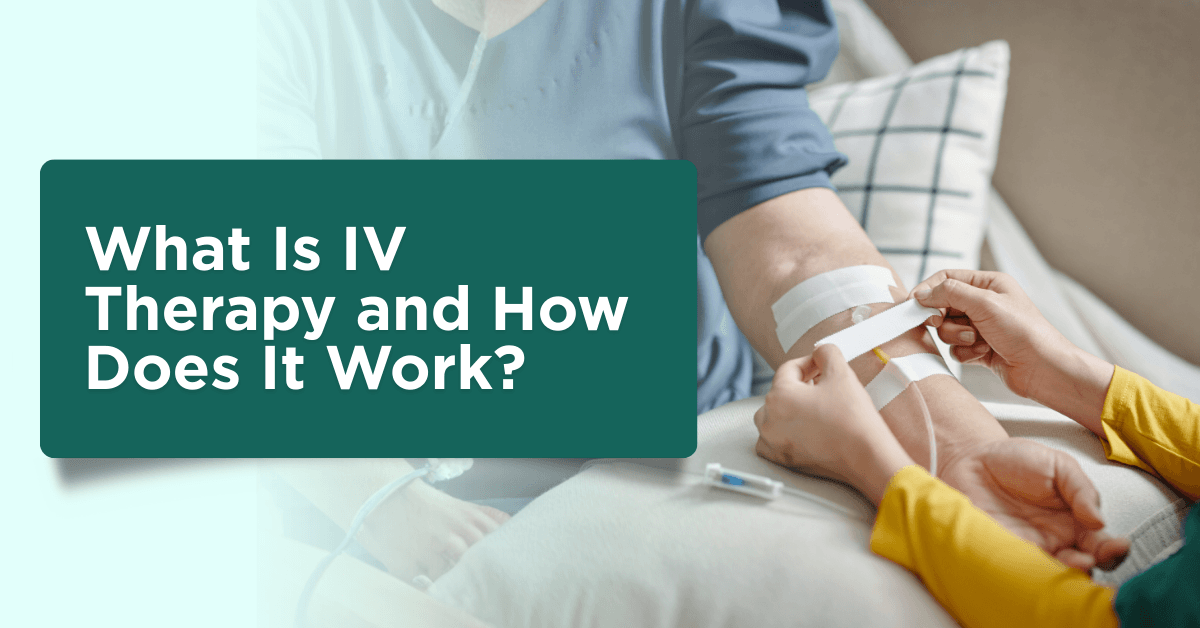
Intravenous therapy is a medical procedure that delivers fluids, vitamins, minerals or medications directly into a vein through a small cannula. It is used for specific clinical needs, including fluid replacement and medication delivery, but vitamin infusions are not necessary or suitable for everyone.
If you are considering intravenous therapy in Cranbourne West, a medical assessment can help determine whether it is appropriate for your symptoms, medical history and individual health needs.
What Is Intravenous Therapy?
Intravenous therapy, commonly called IV therapy, involves administering fluids or other substances directly into a vein. Because the infusion enters the bloodstream without passing through the digestive system, it can be useful when a person needs a treatment that is best delivered intravenously.
In clinical settings, intravenous therapy may be used for fluid replacement, medication administration and selected nutritional or electrolyte needs. Its purpose depends on the substance being administered and the patient’s condition.
It is important to distinguish medically indicated treatment from general wellness claims. Direct delivery into the bloodstream does not automatically make a vitamin infusion more effective than an oral supplement.
How Does Intravenous Therapy Work?
Intravenous therapy works by delivering a prescribed or clinically selected substance through a small tube called a cannula, which is inserted into a vein. The infusion flows through connected tubing and enters the bloodstream at a rate determined by the treatment and the patient’s needs.
The process generally involves these steps:
- Medical assessment: A clinician reviews your symptoms, medical history, medications and relevant risk factors.
- Preparation: The appropriate infusion and equipment are prepared using suitable infection-control procedures.
- Cannula insertion: A trained healthcare professional inserts a small cannula into a vein, commonly in the arm.
- Infusion: The fluid or medication is administered at an appropriate rate.
- Monitoring and removal: The clinician monitors for discomfort or adverse reactions, then removes the cannula when treatment is complete.
The duration varies depending on the type and volume of infusion. Your healthcare professional should explain the proposed treatment and what to expect before it begins.
What Is Vitamin IV Therapy?
Vitamin IV therapy is a form of intravenous therapy in which selected vitamins, minerals or other ingredients are delivered directly into the bloodstream. Depending on the formulation, ingredients may include vitamin C, B vitamins, magnesium or electrolytes.
These infusions should have a clear clinical rationale. A healthcare professional may assess whether a suspected deficiency, hydration issue or other health concern requires investigation before recommending treatment.
Vitamin infusions are not a replacement for a balanced diet, adequate sleep, appropriate hydration or evidence-based medical care. If you have ongoing fatigue, weakness or dizziness, a GP assessment may help identify the underlying cause before you consider an infusion.
6 Important Safety Facts About Intravenous Therapy
Intravenous therapy is a medical procedure, even when the infusion contains vitamins or fluids commonly associated with wellness products. Understanding the risks, the purpose of treatment and the need for clinical supervision can help you make an informed decision.
1. Medical Assessment Should Come First
A medical assessment helps determine whether intravenous therapy is appropriate for your circumstances. Your clinician may ask about your medical history, medications, allergies, symptoms, pregnancy status and existing conditions.
Kidney disease, heart failure and other conditions affecting fluid or electrolyte balance may require particular caution. Your clinician may also consider whether blood tests or other investigations are needed before treatment.
If you are considering an infusion because you feel unusually tired, your GP may first investigate possible causes such as anaemia, thyroid problems, sleep difficulties or medication effects.
2. Vitamin Infusions Do Not Replace a Balanced Diet
Food provides a range of nutrients and other components that contribute to overall health. Vitamin infusions do not replace the broader nutritional benefits of a balanced diet.
For many people, nutritional needs can be met through food, with oral supplements considered when appropriate. Intravenous administration may be useful in selected clinical circumstances, but it should not be assumed to be necessary simply because a person wants more energy or general wellness support.
3. Cannulas and Infusions Carry Risks
Although cannulas are commonly used in healthcare, inserting one into a vein is not entirely risk-free. Possible complications include bruising, bleeding, pain, vein irritation, infection, swelling or leakage of fluid into surrounding tissue.
Some people may also experience dizziness, fainting or an adverse reaction to an infused substance. More serious complications are possible, which is why appropriate technique, monitoring and clinical oversight matter.
Tell your clinician promptly if you experience pain, burning, swelling, tightness, a rash, dizziness or difficulty breathing during treatment. Severe symptoms such as chest pain or shortness of breath require urgent medical attention.
4. Ingredients and Doses Matter
Different infusions contain different ingredients and concentrations. Vitamins and minerals can cause side effects or interact with medications, particularly when administered in high doses or to people with certain medical conditions.
For example, kidney function and electrolyte balance may affect whether particular ingredients or fluid volumes are suitable. Allergies and previous reactions also need to be considered.
Before treatment, ask what the infusion contains, why it is being recommended, what risks apply to you and whether there are appropriate alternatives.
5. Wellness Claims Should Be Evaluated Carefully
Claims that vitamin infusions can detoxify the body, guarantee increased energy, prevent illness or boost immunity should not be accepted without appropriate evidence.
The effectiveness of a treatment depends on the condition being addressed, the ingredients used and the individual’s circumstances. Intravenous delivery does not, by itself, establish that a treatment will provide a particular health benefit.
The Australian Therapeutic Goods Administration (TGA) provides guidance on advertising IV vitamin-related therapies. Healthcare providers should ensure that claims about treatments are accurate and appropriately supported.
6. Monitoring and Follow-Up Are Important
Safe care involves more than inserting a cannula. The clinician should assess suitability before treatment, monitor for problems during administration and provide appropriate advice afterwards.
After the infusion, seek medical advice if you develop increasing redness, swelling, fever or other concerning symptoms. Severe allergic symptoms, chest pain, difficulty breathing or collapse require emergency assessment.
If symptoms that prompted the infusion continue, arrange appropriate follow-up rather than assuming another infusion is the answer.
What Happens at an IV Drip Clinic?
At an IV drip clinic, the process should begin with a clinical review to establish whether the proposed treatment is appropriate. This may include discussing your symptoms, medical history, allergies, medications and relevant health conditions.
If treatment is recommended, a trained clinician explains the procedure, prepares the equipment and inserts the cannula. The infusion is then administered under appropriate supervision, with attention to your comfort and any possible reactions.
Afterwards, the cannula is removed and the insertion site is checked. You should have an opportunity to ask questions about aftercare, possible side effects and when to seek medical advice.
Before booking, check that the provider offers appropriate clinical assessment and supervision. Avoid choosing an infusion based only on a promised result or a list of ingredients.
Is Intravenous Therapy Safe?
Intravenous therapy can be an appropriate treatment when there is a clinical reason for it and it is administered correctly. However, no infusion is completely risk-free, and suitability depends on the person’s health and the substances being given.
Possible risks include infection, bruising, vein irritation, allergic reactions, dizziness and complications related to fluid volume or ingredients. People with kidney or heart conditions, fluid-balance problems, certain allergies, pregnancy or complex medication needs may require additional assessment.
Your clinician should explain the potential benefits, risks and alternatives before treatment. If the treatment is not appropriate, another option may be safer.
Who Might Benefit From Intravenous Therapy?
Some patients may require intravenous fluids, medications or specific nutrients for a recognised medical reason. Examples include people who need fluid replacement in certain clinical circumstances or patients whose treatment requires medication to be administered into a vein.
Whether a vitamin or nutrient infusion is useful depends on the individual and the clinical problem being addressed. Not everyone who feels tired, run down or dehydrated needs an infusion.
If symptoms are persistent, unexplained or worsening, a GP can assess possible causes and decide whether blood tests or other investigations are appropriate. Cranbourne West Medical Centre provides pathology and blood test services that may support investigations when clinically indicated.
Intravenous Therapy vs Oral Supplements
The choice between intravenous therapy and oral supplements depends on the reason for treatment, the substance involved and the person’s ability to absorb and tolerate oral products.
|
Consideration |
Intravenous therapy | Oral supplements |
| How it is delivered | Directly into a vein |
Taken by mouth |
|
Digestive absorption |
Bypasses the digestive system | Usually absorbed through the digestive system |
| Procedure | Requires venous access and clinical procedures |
Usually non-invasive |
|
Potential risks |
Includes cannula-related and infusion-related risks | May cause side effects or medication interactions |
| Best option | Depends on the clinical indication |
Often suitable for routine supplementation when appropriate |
Direct delivery does not automatically mean better results. For many nutritional needs, oral supplements or dietary changes may be more appropriate. Your healthcare professional can explain which option, if any, is suitable for your circumstances.
Common Myths About Intravenous Therapy
Myth 1: IV Therapy Is Only a Wellness Treatment
Intravenous administration is used for a range of clinical purposes, including fluid replacement and medication delivery. Vitamin infusions are only one type of IV treatment.
Myth 2: IV Vitamins Are Always Better Than Oral Vitamins
Not necessarily. The appropriate route depends on the nutrient, the person’s health and the reason for treatment.
Myth 3: Everyone Can Safely Receive IV Therapy
Suitability varies. Medical conditions, medications, allergies and fluid-balance concerns can affect whether an infusion is appropriate.
Myth 4: Higher Doses Produce Better Results
Higher doses are not automatically more beneficial and may increase the risk of side effects. The amount administered should be based on an appropriate clinical rationale.
Myth 5: IV Therapy Can Diagnose or Fix the Cause of Fatigue
An infusion does not identify the reason for fatigue. A GP may need to assess symptoms, medical history and possible underlying conditions before recommending treatment.
Accessing IV Therapy Services in Cranbourne West
If you are considering intravenous therapy in Cranbourne West, start by discussing your health needs with a qualified healthcare professional. A consultation can help clarify whether an infusion is appropriate and whether further assessment is needed.
Cranbourne West Medical Centre lists IV vitamin therapy among its services and identifies Nurse Practitioner Hema Lin as having a clinical interest in IV vitamin and hydration therapy. You can read more on the Hema Lin team profile or review the clinic’s hydration IV drip guide.
Confirm the exact treatment available, eligibility, fees and appointment requirements with the clinic before booking. If an infusion is not suitable, your clinician can discuss other options.
Final Thoughts
Intravenous therapy delivers fluids, nutrients or medications directly into the bloodstream through a vein. It has important clinical uses, but vitamin infusions should not be treated as a universal solution for fatigue, immunity or general wellness.
The safest approach is to understand why treatment is being considered, review the potential risks and benefits, and discuss suitable alternatives with a healthcare professional.
If you are considering IV therapy in Cranbourne West, contact Cranbourne West Medical Centre to ask about available services and whether an assessment is appropriate for your needs.
Key Takeaways
- Intravenous therapy delivers fluids, nutrients or medications directly into a vein.
- Treatment should be based on an appropriate clinical reason and an assessment of the patient’s health.
- Vitamin infusions do not replace a balanced diet or evidence-based medical care.
- Potential risks include infection, bruising, vein irritation, allergic reactions and fluid-related complications.
- Oral supplements or other treatments may be more appropriate, depending on the individual’s needs.
FAQs
What is intravenous therapy?
Intravenous therapy is a medical procedure that delivers fluids, medications or selected nutrients directly into a vein through a small cannula. It is used for specific clinical needs, and the appropriate treatment depends on the patient’s condition.
How long does an IV infusion take?
The duration depends on the type of infusion, its volume and the person’s clinical needs. Ask the treating clinician how long your planned appointment is likely to take.
Is intravenous therapy safe for everyone?
No. Although IV treatments can be appropriate for suitable patients, risks and contraindications vary. Medical conditions, allergies, medications and fluid-balance concerns should be reviewed before treatment.
Is vitamin IV therapy better than taking supplements?
Not necessarily. IV administration bypasses the digestive system, but that does not mean it offers better outcomes for everyone. The best option depends on the nutrient, the reason for treatment and individual health circumstances.
Can intravenous therapy help with fatigue?
Fatigue has many possible causes, including sleep problems, anaemia, thyroid conditions, infection and medication effects. A GP assessment can help determine whether investigations or treatment are needed rather than assuming an infusion will help.
What side effects can occur after IV therapy?
Possible side effects include bruising, discomfort, bleeding, vein irritation, infection, dizziness and reactions to the infused ingredients. Seek medical advice for concerning symptoms, and get emergency help for severe symptoms such as difficulty breathing or chest pain.
Who should discuss IV therapy with a GP before treatment?
Anyone considering an infusion should have their suitability assessed. People with kidney or heart conditions, pregnancy, allergies, fluid-balance problems or complex medication needs may require particular caution.
Where can I ask about intravenous therapy in Cranbourne West?
Cranbourne West Medical Centre lists IV vitamin therapy among its services. Contact the clinic to confirm available treatments, appointment requirements, fees and whether a medical assessment is appropriate for you.
References
https://www.tga.gov.au/news/blog/how-are-vitamins-regulated-australia
https://www.betterhealth.vic.gov.au
https://www.racgp.org.au/clinical-resources/clinical-guidelines