
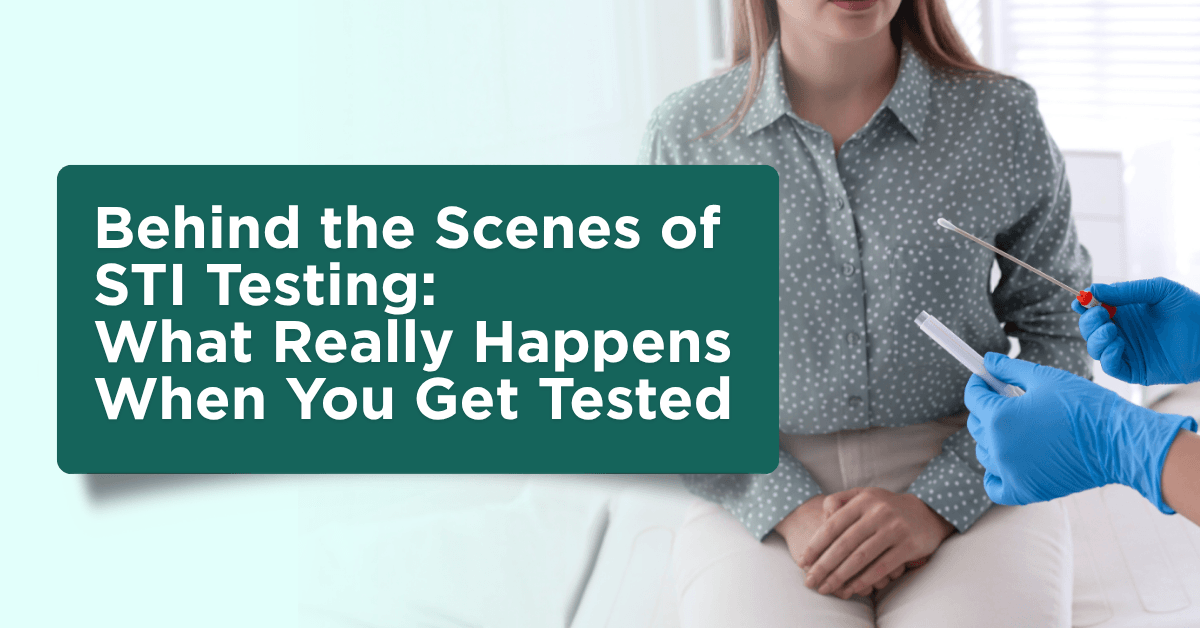
For many people, the hardest part about STI testing is not the test itself. It is the uncertainty beforehand.
Questions like “What actually happens during an STI test?”, “Will it be embarrassing?”, “Do I need a blood test?”, “How long do STI results take?” and “What if I do not have symptoms?” are incredibly common, especially for people booking their first sexual health appointment.
The reality is that STI testing is usually far more straightforward, confidential and routine than many people expect.
For patients searching how STIs are tested, how to check for an STD, or what happens during STI testing, knowing what to expect beforehand may help reduce anxiety and make booking an appointment feel much easier.
If you are looking for STI testing Cranbourne West, this guide explains what usually happens before, during and after your appointment.
Why STI Testing Matters
Sexually transmissible infections, or STIs, are common. Many infections may not cause obvious symptoms at first, which means someone can have an STI without realising it.
Regular sexual health checks may help detect infections earlier, reduce the risk of complications, support appropriate treatment and help protect both individual and partner health.
People often search for how to check if they have an STD, when to get tested, or whether they need an STI test because symptoms are not always present.
STI testing Cranbourne West appointments can help remove guesswork and give you clear next steps based on your situation.
Cranbourne West Medical Centre provides sexual health services for patients seeking confidential STI testing, treatment, contraception advice, PrEP, PEP and sexual health support.
6 Things That Really Happen During STI Testing
STI testing is usually simple, private and focused on your health. It is not designed to shame or judge you.
1. The Appointment Starts With a Confidential Conversation
One of the biggest misconceptions is that STI testing is complicated or invasive. In many cases, the appointment begins with a confidential conversation with a GP or healthcare professional.
Your GP may ask about symptoms, recent sexual contact, number of partners, condom use, contraception, previous STI testing, possible exposure and any concerns you have.
These questions help your GP decide which tests are appropriate. They are not asked to judge you.
For example, someone who has had oral sex may need a throat swab. Someone who has had anal sex may need a rectal swab. Someone with no symptoms may only need urine and blood testing depending on risk.
STI testing Cranbourne West appointments are handled like any other health consultation: professionally, privately and respectfully.
2. You May Not Need Every Test
Not every patient needs every type of STI test.
The right tests depend on your symptoms, sexual practices, medical history, exposure risks and which infections need to be checked.
Testing may include a urine sample, swab test, blood test or examination if clinically needed.
A urine sample may be used to check for infections such as chlamydia and gonorrhoea. Blood tests may be used for HIV, syphilis, hepatitis B or hepatitis C. Swabs may be taken from the throat, genital area or rectal area depending on exposure.
A physical examination is not always required. It may be recommended if you have symptoms such as sores, lumps, pain, discharge, bleeding, rashes or genital irritation.
Your GP should explain what each test is for before proceeding.
3. Urine Tests Are Common and Straightforward
Some STI tests can be done using a urine sample. This is commonly used for certain infections and is often quick, simple and non-invasive.
Your GP or nurse may give instructions on how to collect the sample correctly. For some tests, a first-catch urine sample may be preferred, which means collecting the first part of the urine stream.
It is important to follow the collection instructions because the quality of the sample can affect testing accuracy.
For many people, this is the easiest part of STI testing Cranbourne West appointments and is much less confronting than expected.
4. Swabs Are Based on Exposure and Symptoms
Swab tests may sound intimidating, but they are usually quick.
Depending on your symptoms or sexual practices, swabs may be recommended from the throat, vagina, penis, rectum or a visible sore.
Some swabs may be collected by the clinician. In some situations, self-collected swabs may be offered with clear instructions.
The reason swabs matter is that infections can be present in different sites. A urine test may not detect an infection in the throat or rectum.
This is why your GP asks questions about sexual history. It helps make sure the right areas are tested.
5. Blood Tests Check for Different Infections
Some infections require blood testing.
Blood tests may be used to check for HIV, syphilis, hepatitis B and hepatitis C. They may also be used to check immunity or previous exposure in some situations.
Patients searching for a blood test for STI are often surprised that different infections require different testing methods.
A blood test does not automatically check for every STI unless the right tests are requested. That is why it is important to speak openly with your GP about your concerns and possible exposures.
STI testing Cranbourne West appointments can include blood tests where appropriate, often alongside urine tests or swabs.
6. Results and Follow-Up Are Part of the Process
STI testing does not end when the sample is collected.
Your clinic should explain how results will be communicated, how long results may take, and what happens if treatment is needed.
Timeframes can vary depending on the type of test, laboratory processing and infection being screened for. Some results may return sooner than others.
If a result is positive, your GP can explain treatment, partner notification, repeat testing if needed, and when it is safe to have sex again.
Many STIs are treatable, and early detection makes management easier.
Do STI Tests Hurt?
For most people, STI testing is quick and manageable.
Urine tests are painless. Blood tests may involve a brief needle pinch. Swabs may feel mildly uncomfortable depending on the site, but they are usually quick.
The biggest source of stress is often the anticipation beforehand rather than the test itself.
If you are nervous, tell your GP. You can ask what each step involves before it happens.
A good sexual health appointment should feel clear, respectful and calm.
How Long Do STI Results Take?
One of the most common questions patients ask is: “How long do STI results take?”
The answer depends on the test type, the laboratory, the infection being tested for and whether confirmatory testing is needed.
Some results may come back within a few days, while others may take longer.
Your clinic will usually explain how results will be communicated, whether you need a follow-up appointment, and what to do if you develop symptoms while waiting.
If you do not hear back within the expected timeframe, contact the clinic for guidance.
What If You Do Not Have Symptoms?
Many STIs may not cause noticeable symptoms, especially early on.
This is why testing is not only for people who feel unwell.
You may choose to book STI testing after a new sexual partner, before stopping condom use with a partner, after unprotected sex, after a condom break, if a partner has tested positive, if symptoms develop, or as part of routine sexual health care.
Testing without symptoms is normal and responsible.
STI testing Cranbourne West appointments can help you check your status even if you feel completely well.
When Should You Get Tested?
Testing timing depends on your situation.
You may need testing if you have symptoms such as unusual discharge, pain when urinating, genital sores, pelvic pain, testicular pain, bleeding after sex, itching, rashes or rectal symptoms.
You may also need testing after unprotected sex, a new partner, multiple partners, a partner with an STI, condom break, or possible exposure to HIV.
If you think you may have been exposed to HIV, seek urgent medical advice. PEP, or post-exposure prophylaxis, is time-sensitive and must be started as soon as possible, within 72 hours.
Cranbourne West Medical Centre provides PrEP, PEP and HIV prevention support for eligible patients and can guide next steps.
Is STI Testing Confidential?
Yes. Confidentiality is an important part of healthcare in Australia.
Sexual health consultations are handled professionally and privately. Your results and conversations are not shared without your consent, except in limited circumstances required by law.
If you are worried about privacy, such as shared Medicare details or family access to accounts, mention this to your GP or reception team. They can explain practical steps to help protect your privacy.
For many patients, the anxiety before booking is much greater than the appointment itself.
What Happens If Your STI Test Is Positive?
A positive STI test can feel stressful, but it does not mean you have done something wrong.
Your GP will explain what the result means, what treatment is needed, whether sexual partners should be notified, and whether follow-up testing is required.
Some bacterial STIs can be treated with antibiotics. Viral STIs may need symptom management, antiviral medication or ongoing monitoring depending on the infection.
Your GP may advise avoiding sex until treatment is complete and it is safe to resume.
Partner notification is often important to prevent reinfection and reduce spread. Your GP can explain options for doing this privately and safely.
Why Early Testing Matters
Some untreated STIs may lead to complications if left undiagnosed for long periods.
Early testing may help detect infections sooner, allow appropriate treatment, reduce transmission risk and support long-term sexual health.
This is why reducing fear around testing is so important.
STI testing Cranbourne West services can help patients get clear answers instead of relying on worry, online searching or guesswork.
How to Make an STI Appointment
Booking a sexual health appointment is usually similar to booking any other GP consultation.
You do not need to explain everything to reception. You can simply book a GP appointment or say you would like a sexual health check.
If you are booking at Cranbourne West Medical Centre, you can ask about a confidential sexual health appointment or SHIP sexual health appointment where available.
You can book an appointment online or call the clinic on 03 7017 5932.
Cranbourne West Medical Centre also provides a helpful guide on what to expect during a SHIP appointment for patients who want to understand the process before booking.
Common Myths About STI Testing
Myth 1: STI Testing Is Always Invasive
Many STI tests involve a urine sample, blood test or simple swab. A physical examination is not always required.
Myth 2: You Only Need Testing If You Have Symptoms
Many STIs can have no symptoms. Testing is the only reliable way to know your status.
Myth 3: A Blood Test Checks for Every STI
Different infections require different tests. Some are checked through urine, swabs or blood tests depending on the infection and exposure site.
Myth 4: STI Testing Is Embarrassing for the GP
GPs discuss sexual health regularly. These conversations are part of routine healthcare.
Myth 5: A Positive Test Means Something Shameful
STIs are common health conditions. The important thing is getting tested, treated and supported appropriately.
Final Thoughts
For many people, STI testing feels intimidating simply because they do not know what to expect.
In reality, sexual health checks are a routine part of healthcare and are designed to be confidential, respectful and straightforward.
Whether testing involves a urine sample, swab, blood test or a combination of assessments, the process is usually much simpler than people imagine beforehand.
If you have concerns about symptoms, exposure or routine screening, speaking with a GP can help you understand the most appropriate next steps.
For local patients, STI testing Cranbourne West appointments are available through Cranbourne West Medical Centre’s confidential sexual health services.
Frequently Asked Questions
What happens during an STI test?
An STI test usually starts with a confidential conversation with your GP, followed by relevant testing such as urine samples, swabs or blood tests depending on your situation.
Do I need symptoms to get STI testing?
No. Many STIs can have no symptoms, so testing may still be appropriate after new partners, unprotected sex, partner change or possible exposure.
Does STI testing hurt?
Most STI testing is quick and manageable. Urine tests are painless, blood tests involve a brief needle, and swabs may feel mildly uncomfortable but are usually quick.
How long do STI results take?
Result times vary depending on the test and laboratory. Your clinic will explain how results will be communicated and whether follow-up is required.
Is STI testing confidential?
Yes. STI testing is confidential, with very limited exceptions required by law.
Can I book STI testing Cranbourne West without explaining everything?
Yes. You can simply book a GP appointment or ask for a sexual health check. You can discuss the details privately with your doctor.
What if I have had unprotected sex recently?
Book a GP appointment as soon as possible. Emergency contraception, STI testing and PEP for HIV prevention may be time-sensitive depending on the circumstances.
What happens if my result is positive?
Your GP will explain treatment, partner notification, follow-up testing and when it is safe to resume sex.
References
https://www.betterhealth.vic.gov.au/conditionsandtreatments/sexually-transmissible-infections
https://www.betterhealth.vic.gov.au/your-sexual-health
https://www.mshc.org.au/clinics-services/our-services/sti-clinic
https://www.healthdirect.gov.au/sexually-transmitted-infections-stis
https://sti.guidelines.org.au/
https://sti.guidelines.org.au/sexually-transmissible-infections/chlamydia/
https://sti.guidelines.org.au/sexually-transmissible-infections/gonorrhoea/
https://www.shvic.org.au/stis-and-bbvs/sti-bbv-testing-what-to-expect/
Medical Disclaimer
This blog is for general informational purposes only and does not constitute medical advice. STI testing needs vary depending on symptoms, exposure, timing and individual circumstances. Please speak with a qualified GP or sexual health professional for advice specific to your situation.