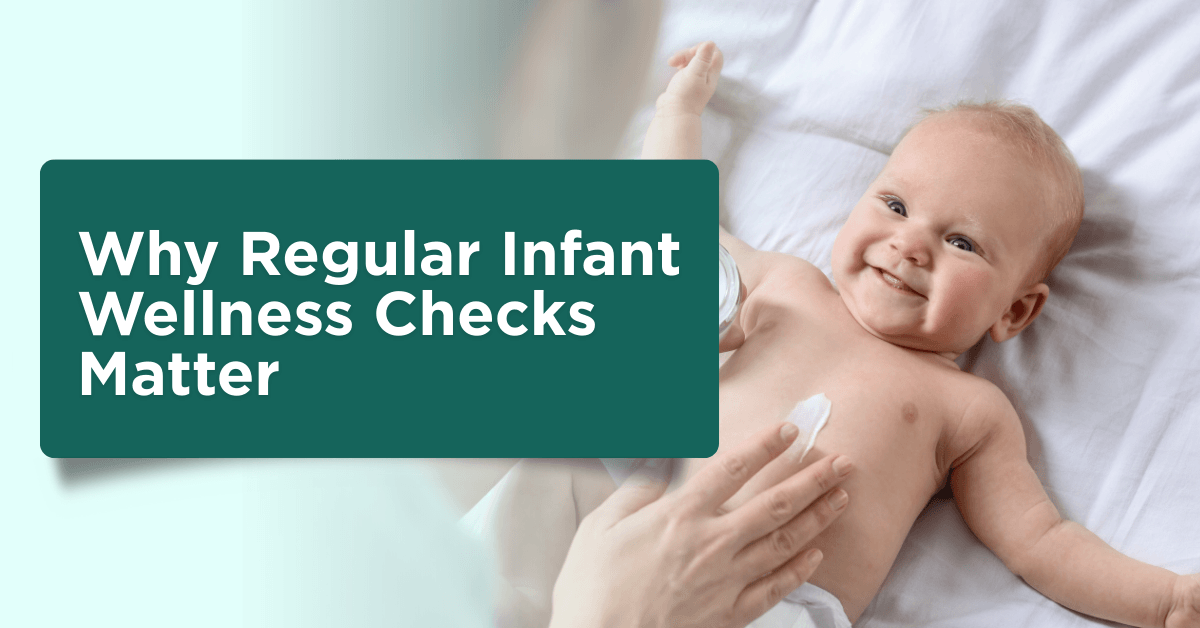
Regular infant wellness checks help monitor your baby’s growth, feeding, development, immunisations and overall health during the first year of life. Even when your baby appears healthy, routine GP appointments provide an opportunity to identify concerns early, discuss developmental milestones and get practical advice about feeding, sleep and settling.
At Cranbourne West Medical Centre, parents can discuss their baby’s individual needs with a GP and receive guidance on the next steps in their care. The timing and content of each check depend on your baby’s age, health and development.
Key Takeaways
- Infant wellness checks monitor growth, feeding, development and general health.
- Tracking weight, length and head circumference over time helps identify growth patterns.
- Routine appointments provide opportunities to discuss immunisations and developmental milestones.
- Parents can ask about feeding, sleep, settling and their own wellbeing.
- If your baby develops concerning symptoms, seek medical advice rather than waiting for the next routine appointment.
What Is an Infant Wellness Check?
An infant wellness check is a routine medical appointment that assesses a baby’s growth, development and general health. Depending on your baby’s age and needs, the appointment may include physical measurements, feeding and sleep discussions, developmental observations, immunisation review and time for parents to ask questions.
A baby health check is not limited to identifying illness. It also supports preventive care and helps your GP understand how your baby is progressing over time.
A typical appointment may cover:
- Weight, length and head circumference.
- Breastfeeding, formula feeding, nutrition and the introduction of solids when age-appropriate.
- Sleep, settling, nappies and general behaviour.
- Developmental milestones, including movement, communication and social interaction.
- Physical examination and immunisation review, as appropriate.
- Questions about your baby’s health and your experience as a parent.
Your GP considers these areas together rather than relying on a single measurement or milestone. A regular infant wellness check in Cranbourne West can help you understand your baby’s progress and whether further assessment or support may be useful.
For local family care, Cranbourne West Medical Centre provides children’s and paediatric services for babies, children and families.
Why Growth Monitoring Matters
Growth monitoring helps your GP assess how your baby is growing by reviewing measurements such as weight, length and head circumference over time. Growth charts can show patterns that may prompt a discussion about feeding, nutrition, illness or other health concerns, although a single measurement does not determine whether a baby is healthy.
Babies grow at different rates, so the pattern across several measurements is often more informative than one result. Your GP can consider your baby’s previous measurements, feeding history and general wellbeing when interpreting growth.
Regular infant wellness checks can help to:
- Monitor changes in weight and physical growth.
- Discuss feeding difficulties or concerns about milk intake.
- Identify when a growth pattern may need further assessment.
- Reassure parents when measurements and development are progressing as expected.
If your baby’s weight gain appears slower than expected, your GP may ask about feeding frequency, wet nappies and recent illness before deciding whether additional support or follow-up is needed.
An infant wellness check in Cranbourne West gives parents an opportunity to discuss these observations and receive advice suited to their baby’s circumstances.
6 Reasons Regular Infant Wellness Checks Matter
Regular infant wellness checks support preventive care during a period of rapid physical and developmental change. They allow your GP to review growth, feeding, developmental progress, immunisations, family wellbeing and any concerns that arise between appointments.
1. They Track Growth Over Time
Babies grow quickly, but each baby follows an individual growth pattern. Your GP can review weight, length and head circumference alongside previous measurements to understand how your baby is progressing.
If measurements change more or less than expected, your GP may ask about feeding, nappies, sleep, recent illness and family growth patterns. Further review may be recommended when the overall pattern or your baby’s clinical assessment suggests it is needed.
A routine infant wellness check in Cranbourne West provides an opportunity to identify changes, discuss possible explanations and plan follow-up where appropriate.
2. They Support Feeding and Nutrition
Feeding questions are common during the first year, whether your baby is breastfed, formula-fed, mixed-fed or beginning solids. Parents may wonder whether their baby is getting enough milk, gaining weight appropriately, vomiting frequently or showing signs of a possible food reaction.
Your GP can discuss feeding patterns, weight gain, nappies, reflux symptoms, constipation and the introduction of solids when your baby is developmentally ready. If needed, they can discuss whether additional support, such as lactation assistance or a referral, may be appropriate.
Feeding advice should be practical and supportive. If you are concerned about your baby’s feeding, book an infant wellness check in Cranbourne West to discuss the situation with a healthcare professional.
3. They Monitor Developmental Milestones
Developmental milestones help guide conversations about how babies move, communicate, interact and learn. During a check, your GP may ask about head control, rolling, reaching, smiling, eye contact, babbling and responses to sounds.
Babies do not all reach milestones at exactly the same time. Your GP can consider your baby’s age, development and overall history to determine whether monitoring or further assessment may be helpful.
If you notice that your baby is not responding, moving, seeing, hearing or interacting as expected, raise your concerns rather than waiting for the next scheduled appointment. Early assessment can help identify whether additional support is needed.
4. They Help Keep Immunisations on Track
Infant wellness checks can provide an opportunity to review your baby’s immunisation history and discuss vaccines due at different stages. Depending on the appointment, a GP or nurse can explain what to expect after vaccination and answer questions about common reactions and follow-up.
Keeping immunisations up to date helps protect babies against serious vaccine-preventable diseases. If your baby has missed a scheduled vaccine or you are unsure about the next dose, ask your healthcare professional to review the appropriate schedule.
You can use Cranbourne West Medical Centre’s book now page to arrange an appointment.
Confirm current immunisation timing against the Australian National Immunisation Program and your baby’s individual circumstances before publishing specific age-based vaccine recommendations.
5. They Give Parents Support Too
Infant wellness checks are also an opportunity for parents to discuss the challenges of caring for a baby. Sleep difficulties, unsettled behaviour, feeding concerns, crying, exhaustion and emotional adjustment can all affect family wellbeing.
Parents may focus so much on their baby that they overlook their own health. If you feel persistently anxious, low, overwhelmed or isolated, tell your GP so they can discuss appropriate support.
A trusted healthcare professional can help you work through concerns and understand which changes are common and which may need further assessment. Parent wellbeing is an important part of caring for a growing family.
6. They Help Identify Concerns Early
Routine infant care gives your GP opportunities to review growth, feeding, development and general health before a concern becomes more difficult to manage. It can also help determine when further assessment, monitoring or referral may be appropriate.
Some concerns involving hearing, vision, feeding, growth or development may not be obvious at first. Regular appointments provide a place to discuss changes you have noticed and ask questions about your baby’s progress.
Early review does not mean expecting a problem. It means making time to assess concerns and access support when it is needed.
Understanding Child Development Milestones
Child development milestones are skills that many babies develop around particular ages, including movement, communication, social interaction and responses to their surroundings. They help guide developmental discussions during infant wellness checks, but they are not strict deadlines that every baby must meet on the same day.
Examples of milestones include smiling, making eye contact, responding to voices, lifting the head, rolling, reaching for objects, sitting and babbling. Your GP will consider your baby’s age and overall development when discussing progress.
One variation does not automatically indicate a developmental problem. However, if you have concerns about your baby’s movement, hearing, vision, communication or interaction, arrange a review to discuss whether further assessment is appropriate.
For more information, parents can refer to Healthdirect’s guide to developmental milestones.
Why Prevention in Early Childhood Matters
Preventive healthcare during infancy supports growth, development, feeding, immunisation and family wellbeing. Because babies change rapidly during the first year, routine appointments provide regular opportunities to review their progress and discuss concerns as they arise.
Preventive care may include growth monitoring, developmental assessment, vaccination review, nutrition guidance and referrals when appropriate. It can also help parents understand which changes are expected and when professional advice is warranted.
Online information may provide general guidance, but it cannot assess an individual baby. A GP can consider your baby’s symptoms, history and development together when advising on the next steps.
Choosing a GP for Infant Wellness Checks in Cranbourne West
Choosing a GP who can provide ongoing care helps your family build a consistent record of your baby’s growth, feeding, immunisations and developmental progress. Familiarity with your baby’s history may also make it easier to discuss changes and follow up on previous concerns.
When choosing a clinic, consider whether it offers care for infants and children, provides opportunities to discuss parental questions and can advise you when further assessment is needed.
Cranbourne West Medical Centre provides children’s and paediatric services for families seeking local GP support. Parents can discuss their baby’s needs and ask which appointment is suitable.
When Should You Book an Infant Wellness Check?
Routine appointments can be arranged at recommended stages during infancy, including around immunisation visits, while additional appointments may be needed if you have concerns about feeding, growth, sleep or development. Your GP can advise on the timing that suits your baby’s age and health needs.
Consider booking a review if your baby has ongoing feeding difficulties, concerns about weight gain, persistent vomiting, changes in behaviour or development, or another issue you would like assessed.
Do not wait for a routine wellness appointment if your baby appears seriously unwell. Seek urgent medical advice for concerning symptoms, and call emergency services for severe breathing difficulties, unresponsiveness or another life-threatening emergency.
For urgent concerns, the appropriate response depends on your baby’s symptoms and severity. If you are unsure, contact a healthcare professional for guidance.
What Happens During an Infant Wellness Check?
During an infant wellness check, your GP will ask about your baby’s feeding, sleep, nappies, behaviour, growth and development. The appointment may also include measurements, a physical examination and a review of immunisations, depending on your baby’s age and needs.
A typical visit may involve:
- Discussing your concerns: Explain any changes you have noticed and ask questions about your baby’s health.
- Reviewing growth: Your GP may measure weight, length and head circumference and compare these with previous results.
- Discussing development: Your GP may ask about movement, communication, interaction and age-appropriate milestones.
- Reviewing general health: A physical examination may be performed where appropriate.
- Planning next steps: Your GP can discuss preventive care, follow-up, further assessment or referral if needed.
You can ask about crying, reflux, rashes, feeding, solids, sleep routines, safety, settling and teething. It may help to write down your questions before the appointment so you can cover the concerns that matter most.
Supporting Parents With Sleep and Settling
Infant sleep patterns change throughout the first year, and frequent waking can be challenging for parents. A wellness check is an opportunity to discuss your baby’s sleep, settling difficulties and any concerns about feeding, illness or behaviour that may affect rest.
Your GP can discuss safe sleeping practices and age-appropriate expectations based on your baby’s circumstances. Not every sleep difficulty signals a medical problem, but persistent concerns deserve attention, particularly when your baby seems unwell or is feeding poorly.
Parents should feel comfortable asking for help. Practical advice and appropriate support can make it easier to understand your baby’s needs and manage the demands of early parenting.
Feeding, Solids and Nutrition Questions
A baby’s nutritional needs change during the first year, from early milk feeding to the gradual introduction of complementary foods when developmentally appropriate. Parents may have questions about breastfeeding, formula, weight gain, food textures, allergens, iron-rich foods and choking safety.
Your GP can discuss feeding concerns in the context of your baby’s age, growth and development. If your baby has ongoing feeding difficulties, poor weight gain, persistent vomiting, diarrhoea, constipation or a suspected food allergy, ask whether a review or additional support is appropriate.
An infant wellness check in Cranbourne West can help you discuss these issues and determine whether further assessment or referral may be needed.
Common Myths About Infant Wellness Checks
Some parents assume that routine checks are unnecessary when their baby appears healthy, or that every baby should reach milestones at the same age. Understanding the purpose of preventive appointments can help families make informed decisions about care.
Myth 1: My Baby Only Needs a Doctor When Sick
Routine appointments can assess growth, development, feeding and immunisations even when your baby appears well. They also provide time to discuss concerns before deciding whether further assessment is needed.
Myth 2: All Babies Develop at the Same Rate
Babies develop at different rates, and milestones are guides rather than exact deadlines. If you have concerns about your baby’s progress, your GP can assess the situation and advise whether monitoring or further review is appropriate.
Myth 3: Growth Charts Are Only About Weight
Growth monitoring may include weight, length and head circumference. Measurements are interpreted over time and alongside your baby’s overall health, rather than relying on one number alone.
Myth 4: Parent Concerns Are Not Important
Parents often notice changes in their baby’s behaviour or routines. Sharing those observations with your GP can help determine whether reassurance, monitoring or further assessment is appropriate.
Myth 5: Wellness Checks Are Only for the Baby
These appointments can also provide an opportunity to discuss parental wellbeing, feeding challenges, sleep concerns and the adjustment to caring for a baby. Supporting parents contributes to the wellbeing of the whole family.
Final Thoughts: Supporting Your Baby’s First Year
Regular infant wellness checks help monitor your baby’s growth, development, feeding and preventive healthcare during the first year. They also provide an opportunity to discuss concerns, review immunisations and receive guidance tailored to your family’s needs.
Even when your baby appears healthy, routine appointments can help you understand their progress and identify when further support may be useful. Preventive care is not about expecting problems; it is about making informed decisions as your baby grows.
If you are looking for a GP for your baby in Cranbourne West, contact Cranbourne West Medical Centre or use the online booking page to arrange a suitable appointment.
Key Takeaways
- Book routine infant wellness checks to review your baby’s growth, feeding, development and preventive care.
- Track growth over time: weight, length and head circumference can help your GP identify patterns that may need discussion.
- Discuss developmental milestones: your GP can help assess progress and recommend support when appropriate.
- Ask questions about everyday concerns: feeding, sleep, settling, immunisations and parental wellbeing are all relevant.
- Seek help when needed: do not wait for a scheduled appointment if your baby develops concerning symptoms.
FAQs
What are infant wellness checks?
Infant wellness checks are routine medical appointments that monitor a baby’s growth, development, feeding and general health. Depending on age and individual needs, they may also include a physical examination and immunisation review.
How often should a baby have wellness checks?
The timing depends on the baby’s age, health needs and recommended preventive care schedule. Ask your GP which appointments are appropriate for your baby, including checks associated with immunisations and any additional reviews.
What happens during an infant wellness check?
Your GP may review feeding, sleep, nappies, behaviour, developmental milestones and general health. They may also measure weight, length and head circumference, perform a physical examination and discuss any concerns you have.
Why are regular infant wellness checks important if my baby seems healthy?
A baby can appear well while still benefiting from routine growth and developmental monitoring. These appointments also provide time to discuss preventive care, immunisations and questions that may arise during the first year.
What should I bring to my baby’s wellness check?
Bring your baby’s available health and immunisation records, a list of medicines or supplements if applicable, and any questions you want to discuss. Notes about feeding, sleep, nappies or changes you have noticed may also help your GP understand your concerns.
When should I book an extra appointment for my baby?
Arrange a review if you have concerns about feeding, weight gain, persistent vomiting, development or a noticeable change in behaviour. Seek prompt medical advice if your baby is unwell, and do not wait for a routine appointment if symptoms are urgent.
Where can I book infant wellness checks in Cranbourne West?
You can contact Cranbourne West Medical Centre to ask about appointments for your baby. You can also visit the online booking page to arrange a suitable appointment.