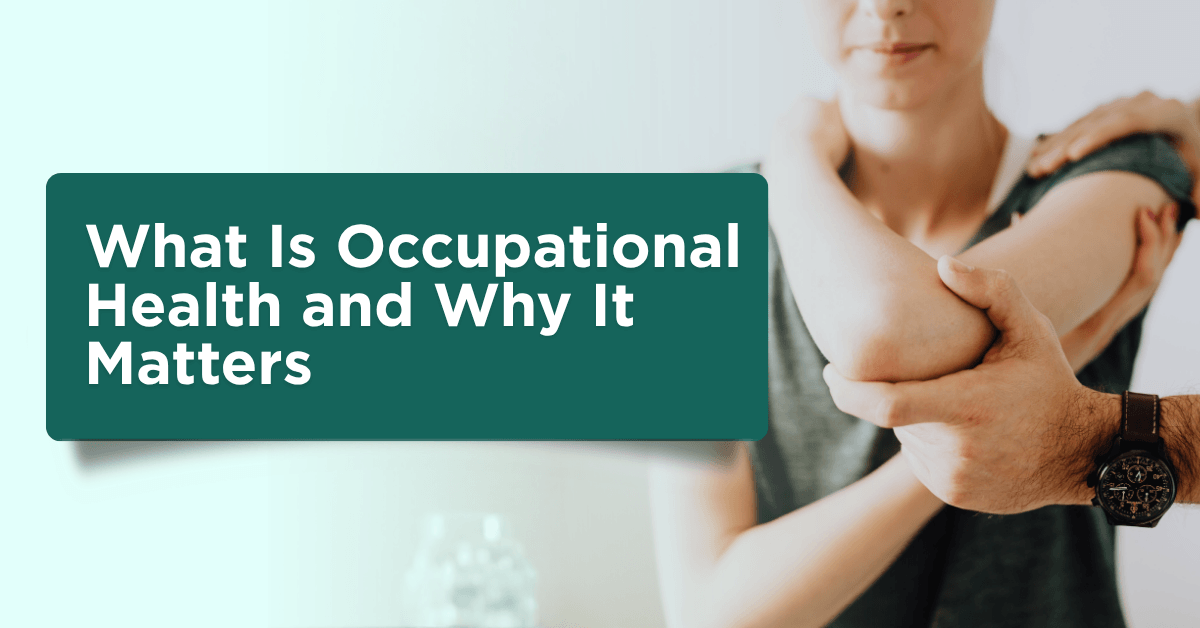
Occupational health focuses on how work can affect a person’s health, safety and ability to perform their role. It includes workplace-related medical assessments, advice about fitness for work and support following illness or injury. Cranbourne West Medical Centre can discuss relevant GP assessments and whether a pre-employment or private medical assessment is appropriate.
What Is Occupational Health?
Occupational health is the area of healthcare concerned with the relationship between work and health. It may involve assessing work capacity, identifying health concerns that could affect job duties and supporting workers after an illness or injury. The appropriate assessment depends on the person’s role and individual circumstances.
The type of assessment depends on the person’s role, the employer’s request and the clinical reason for the appointment. Occupational health does not replace an employer’s workplace safety obligations or a formal workplace risk assessment.
Why Is Occupational Health Important?
Occupational health can help workers and employers make informed decisions about health-related work requirements. A timely medical review may identify symptoms, functional limitations or recovery needs that should be considered before a worker starts or resumes particular duties. This can support safer decisions about work capacity and appropriate next steps.
It is relevant across many industries, not only construction or other physically demanding work. Office workers may experience repetitive strain or stress, while drivers, healthcare staff and warehouse workers may face different role-related health considerations.
Common Workplace Medical Assessments
Occupational health assessments vary according to the job and the reason for referral. An employer may request a specific assessment, but the requested checks should be relevant to the role, explained to the person attending and appropriate to the clinical purpose.
1. Pre-employment Medical Assessments
A pre-employment medical assessment helps consider whether a person can safely perform the inherent requirements of a particular role. Depending on the job, it may include a medical history, blood pressure check, vision assessment, musculoskeletal review or functional testing.
The assessment should be tailored to the actual duties rather than used as a general barrier to employment. Read more about pre-employment medical assessments.
2. Fitness-for-Work Assessments
A fitness-for-work assessment considers whether a person’s current health allows them to perform specified duties safely. It may be requested before starting a role, after an illness or injury, or when a health concern could affect safety-sensitive tasks.
The clinician may need details of the job’s physical and practical requirements. The outcome may identify that the person can perform the role, needs temporary adjustments, or requires further assessment.
3. Workplace Injury and Return-to-Work Support
A GP may assess a work-related injury or illness, provide treatment advice, document relevant restrictions and recommend further care where appropriate. Depending on the circumstances, the worker may need physiotherapy, another allied health service or specialist review.
A return-to-work plan may involve the worker, employer, treating practitioner, insurer and rehabilitation providers. Modified duties or a gradual return may be considered when clinically appropriate.
4. Private Medical Assessments and Reports
Some employers or organisations request medical reports, certificates or assessments for a particular purpose. The required information and examination depend on the request, the person’s circumstances and the clinician’s assessment.
Cranbourne West Medical Centre provides information about private medical assessments. Contact the clinic before booking to confirm whether it can complete the specific form, examination or report you need.
What Happens During an Occupational Health Appointment?
An occupational health appointment depends on the reason for referral and the duties involved. The clinician may review medical history, current symptoms, medications, previous injuries and the physical or safety requirements of the role. Not every appointment requires the same examination or tests.
You may be asked to provide:
- The employer’s referral letter, forms or position description.
- Details of the job’s main duties, such as lifting, driving or shift work.
- A list of medicines and relevant medical history.
- Previous reports or test results related to the assessment.
- Glasses, hearing aids or other aids you normally use.
Any additional checks should be explained in relation to the assessment being requested.
Occupational Health Across Different Industries
Occupational health is relevant wherever work activities may affect health or require a particular level of fitness. The concerns vary by industry and by the tasks performed, so a medical assessment should reflect the actual role rather than assume every worker needs the same checks.
[EXAMPLE] A warehouse role may involve lifting and repetitive movement, while a driving role may require consideration of alertness and medical fitness. Office-based work may involve prolonged sitting, screen use and repetitive tasks.
What Is the Difference Between Occupational Health and Workplace Safety?
Occupational health focuses on the health of workers and the medical aspects of work capacity, injury management and prevention. Workplace safety involves identifying and controlling hazards in the work environment, including equipment, processes and work practices. Both contribute to safer workplaces, but they have different responsibilities.
A GP medical assessment does not replace an employer’s legal work health and safety responsibilities. However, workplace healthcare can contribute to employee wellbeing and support a broader approach to managing occupational risks. Read our guide to workplace health services and employee wellbeing to learn more about how organisations can support healthier working environments.
How to Prepare for a Workplace Medical Assessment
Preparing in advance can help the appointment address the employer’s requirements. Before attending, check what assessment has been requested, whether the clinic needs forms or a position description, and whether any preparation is necessary for the appointment.
Bring the relevant paperwork, details of your duties and any medical information related to the assessment. If testing or a report is required, confirm the scope, fees and expected turnaround time with the clinic beforehand.
Book an Occupational Health-Related Assessment in Cranbourne West
Occupational health assessments can help employees and employers understand medical fitness for work and identify health considerations relevant to specific job requirements.
Cranbourne West Medical Centre provides private medical assessments, including pre-employment medicals and fitness-for-work assessments. Depending on the requirements, assessments may include medical history reviews, physical examinations, relevant screening and workplace-related medical reports.
If your employer has requested a medical assessment, bring any required forms, position description and relevant medical information to your appointment.
Need a workplace medical assessment?
Contact Cranbourne West Medical Centre on (03) 7017 5932 or use the clinic’s online appointment booking. The clinic is located at Shop S15, 19 Strathlea Drive, Cranbourne West VIC 3977.
Shop S15, 19 Strathlea Drive, Cranbourne West VIC 3977.
FAQs
What does occupational health cover?
Occupational health concerns the relationship between work and health. Depending on the circumstances, it may include pre-employment medicals, fitness-for-work assessments, injury-related care and return-to-work support.
Is a pre-employment medical required for every job?
No. Whether an assessment is required depends on the role, employer and relevant job requirements. Any examination or testing should be appropriate to the position.
Can a GP complete a fitness-for-work assessment?
A GP may be able to assess relevant health concerns and provide medical advice or documentation. The clinic should first confirm that it can meet the employer’s specific assessment requirements.
What should I bring to a workplace medical?
Bring the employer’s forms, referral letter or position description, along with relevant medical information and a list of medicines. Ask the clinic beforehand whether any specific preparation is needed.
Does occupational health only apply to manual workers?
No. Work-related health considerations can arise in offices, healthcare, transport, education, retail, hospitality and many other industries. The assessment depends on the tasks and risks associated with the role.
Can I book an occupational health assessment at Cranbourne West Medical Centre?
Contact the clinic to discuss the exact assessment or report requested by your employer. The team can confirm whether the service is available and explain how to arrange an appointment.
References
- https://www.safeworkaustralia.gov.au
- https://www.dewr.gov.au/work-health-and-safety
- https://www.worksafe.vic.gov.au
- https://www.worksafe.vic.gov.au/return-to-work
- https://www.healthdirect.gov.au/wellbeing-at-work
- https://www.healthdirect.gov.au/stress-at-work
- https://www.safeworkaustralia.gov.au/safety-topic
Medical Disclaimer
This blog is for general informational purposes only and does not constitute medical advice, workplace safety advice or legal advice. Occupational health requirements vary by role, employer, industry and individual circumstances. Please speak with a qualified GP, your employer or the relevant workplace safety authority for advice specific to your situation.