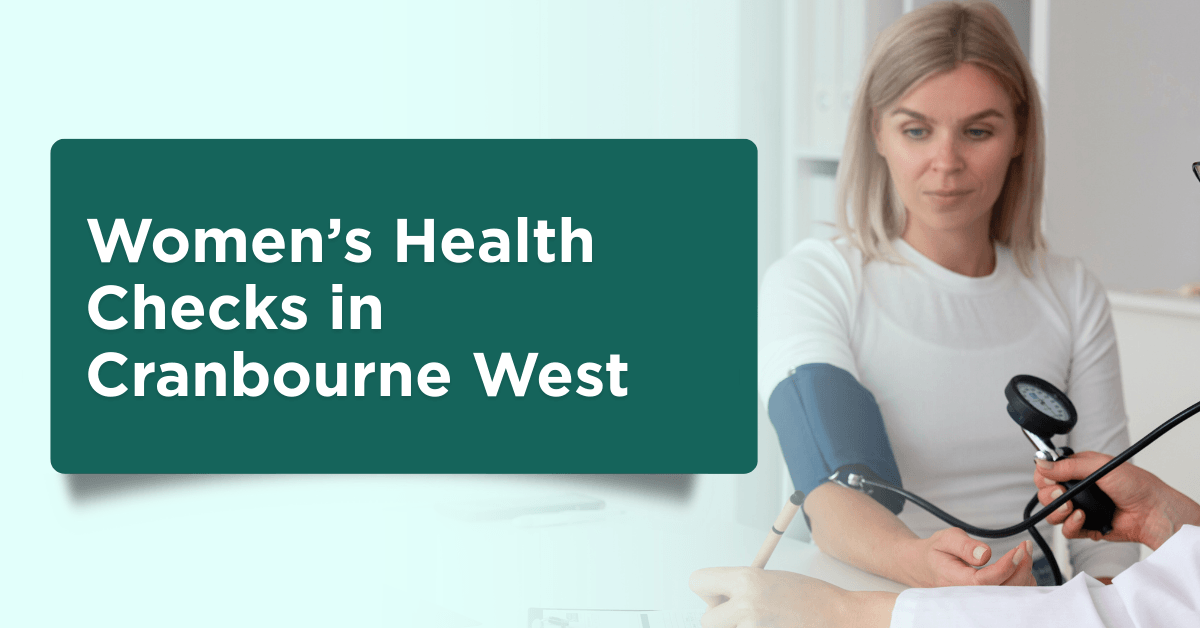
Women’s health needs evolve throughout different stages of life. From reproductive health and hormonal changes to preventive screening, regular medical check-ups play a vital role in maintaining overall wellbeing.
A routine women’s health check allows doctors to monitor important aspects of health, detect potential concerns early and provide personalised guidance based on individual needs.
For many women in Cranbourne West, these appointments form an essential part of preventive healthcare. A women’s health check Cranbourne West appointment can support reproductive health, screening, contraception, pregnancy planning, menopause care and general wellbeing.
What Is a Women’s Health Check?
A women’s health check is a consultation designed to review different aspects of a woman’s physical, reproductive and preventive health.
Depending on your age, lifestyle, symptoms and medical history, an annual women’s check-up may include cervical screening, breast health discussion, contraception advice, menstrual health assessment, sexual health screening, pregnancy planning, menopause support and general health checks such as blood pressure or blood tests.
These visits allow doctors to assess risk factors and recommend appropriate screening where needed.
Cranbourne West Medical Centre provides women’s health and antenatal care for patients seeking sensitive, supportive and practical GP care.
Why Preventive Healthcare for Women Matters
Regular check-ups are a cornerstone of women’s preventive healthcare. Preventive care focuses on identifying possible issues before symptoms appear or before they become more difficult to manage.
Early detection may help identify cervical abnormalities, breast concerns, hormonal issues, reproductive health problems, sexually transmitted infections, mental health concerns and chronic conditions such as high blood pressure or diabetes.
A women’s health check Cranbourne West appointment is not only about one test. It is an opportunity to review your health more broadly and discuss concerns you may have been putting off.
Preventive care gives you information, reassurance and a clearer plan for long-term wellbeing.
6 Key Reasons Regular Women’s Health Checks Matter
Women’s health checks can support different needs across life stages. The right focus depends on your age, symptoms, reproductive goals and personal risk factors.
1. They Keep Cervical Screening Up to Date
Cervical screening is one of the most important parts of women’s preventive healthcare. In Australia, the cervical screening test has replaced the old Pap test and checks for human papillomavirus, known as HPV.
HPV is a common virus, and some types can increase the risk of cervical cancer over time. Cervical screening helps detect risk early so follow-up can be arranged if needed.
Your GP can explain when screening is due, whether self-collection may be suitable, what results mean and what happens next if further testing is required.
If you are unsure whether you are due, a women’s health check Cranbourne West appointment can help confirm your screening status and guide the next step.
2. They Support Menstrual and Hormonal Health
Periods can vary, but significant changes should not be ignored. Heavy bleeding, painful periods, irregular cycles, bleeding between periods or periods that suddenly change may need medical review.
These symptoms can sometimes be linked to conditions such as fibroids, endometriosis, polycystic ovary syndrome, thyroid problems, hormonal changes, infection or other gynaecological concerns.
A GP can discuss your symptoms, cycle pattern, pain, bleeding, contraception, fertility goals and general health. They may recommend blood tests, imaging, treatment options or referral depending on the situation.
Women’s health checks create a safe space to discuss concerns that may feel personal or difficult to raise.
3. They Provide Contraception and Family Planning Advice
Reproductive health needs can change across life. The contraception that suited you years ago may not be the best option now.
A women’s health check can include discussion of contraception options such as oral contraceptive pills, long-acting reversible contraception, condoms, emergency contraception or other methods depending on suitability.
Your GP can also discuss family planning, pregnancy preparation, fertility concerns, medication safety, folic acid, immunisation status and preconception health.
If you are planning pregnancy, early advice can help support a healthier start. If you are not planning pregnancy, contraception review can help ensure your method still fits your health, lifestyle and preferences.
Cranbourne West Medical Centre’s women’s health service can support contraception, pregnancy planning and reproductive health discussions.
4. They Help Monitor Breast Health
Breast health is another important part of women’s preventive care. A GP may discuss breast awareness, family history, symptoms and age-appropriate screening.
Symptoms such as a new breast lump, nipple discharge, skin dimpling, nipple changes, breast pain that persists or changes in breast shape should be assessed promptly.
Not all breast changes are cancer, but they should be checked.
Your GP can advise whether examination, imaging or referral is appropriate. They can also discuss screening recommendations based on your age and risk factors.
A women’s health check Cranbourne West appointment can give you space to ask questions about breast changes, screening and what is normal for you.
5. They Support Sexual Health and STI Screening
Sexual health is part of overall health. A women’s health check may include discussion of STI testing, symptoms, contraception, sexual pain, vaginal discharge, bleeding after sex, libido changes or concerns after a new partner.
Many sexually transmitted infections can be mild or symptom-free, so testing may be recommended based on risk rather than symptoms alone.
Your GP can recommend suitable tests, explain confidentiality and provide treatment if needed.
Cranbourne West Medical Centre also provides sexual health services for patients seeking confidential STI testing, contraception advice, PEP, PrEP or sexual health support.
6. They Support Health Through Life Stages
Women’s health changes over time. A teenager may need support with periods, acne, contraception or mental health. A woman in her twenties or thirties may need cervical screening, fertility planning or sexual health care. A woman in midlife may need support with perimenopause, heavy bleeding, sleep, mood, weight changes or hot flushes.
After menopause, health checks may focus more on bone health, cardiovascular risk, breast screening, pelvic symptoms, urinary changes, sexual health, mental wellbeing and chronic disease prevention.
A regular women’s health check helps your GP understand your history and support you through each stage.
This continuity of care makes it easier to identify changes, track results and provide personalised advice.
Why Regular Health Screening Matters
Many health conditions develop gradually and may not cause noticeable symptoms at first. Routine health screening helps doctors monitor important indicators such as blood pressure, cholesterol levels, blood glucose levels, cervical screening results and general wellbeing.
These checks can help identify risk factors for heart disease, diabetes, kidney disease and other chronic conditions.
Women’s health is not only reproductive health. A comprehensive check-up can include physical health, mental health, family history, lifestyle habits and preventive screening.
If you have not had a recent health review, booking a women’s health check Cranbourne West appointment can help you understand what screening is appropriate for your stage of life.
Choosing a Female GP for Comfort and Support
Some women prefer to see a female GP for discussions about reproductive or personal health matters.
A comfortable and supportive consultation environment can make it easier to discuss concerns openly and receive personalised advice.
Patients are encouraged to choose a GP they feel comfortable with, whether female or male, to support ongoing care and continuity.
Cranbourne West Medical Centre has female GPs who support women’s health concerns, including cervical screening, contraception, pregnancy care, menopause and reproductive health.
The most important thing is that you feel safe, respected and able to ask questions.
When Should You Have an Annual Women’s Check-Up?
Many women benefit from scheduling a routine check-up once a year, even if they feel well.
You may benefit from a health review if you are due for cervical screening, experience changes in your menstrual cycle, are planning pregnancy, have concerns about reproductive health, need contraception advice, have sexual health concerns, notice breast changes, or have not had a routine health check in the past year.
You should also book sooner if you have symptoms such as pelvic pain, abnormal bleeding, unusual discharge, breast changes, severe period pain, bleeding after sex, new urinary symptoms or menopause symptoms affecting daily life.
Regular visits allow your GP to monitor your health over time and provide guidance tailored to your needs.
Women’s Health Services in Cranbourne West
If you are due for a check-up, Cranbourne West Medical Centre provides local women’s health care for patients seeking reproductive health support, preventive screening and long-term wellbeing guidance.
Services may include cervical screening, contraception advice, pregnancy planning, antenatal care, menopause support, sexual health, breast health discussion and general preventive healthcare.
You can learn more through Cranbourne West Medical Centre’s Women’s Health & Antenatal Care page or book an appointment online.
A women’s health check Cranbourne West appointment can help you feel more informed, supported and confident about your health.
Common Myths About Women’s Health Checks
Myth 1: I Only Need a Check-Up If I Have Symptoms
Many health risks develop quietly. Cervical screening, blood pressure checks and preventive reviews can be useful even when you feel well.
Myth 2: Pap Smears and Cervical Screening Are the Same
The old Pap test has been replaced by the cervical screening test, which checks for HPV. Your GP can explain what this means and when you are due.
Myth 3: Women’s Health Checks Are Only About Reproductive Health
Reproductive health matters, but women’s health checks can also include mental health, heart risk, diabetes risk, breast health, lifestyle and chronic disease prevention.
Myth 4: Menopause Symptoms Are Just Something to Put Up With
Menopause symptoms can affect sleep, mood, energy, relationships and quality of life. Your GP can discuss management options.
Myth 5: It Is Embarrassing to Discuss Personal Symptoms
GPs discuss women’s health concerns regularly. These appointments are confidential, respectful and focused on your wellbeing.
Taking a Proactive Approach to Women’s Health
Prioritising regular women’s health checks allows doctors to monitor reproductive health, detect concerns early and support overall wellbeing.
By scheduling routine appointments and staying proactive about preventive care, women can take important steps toward protecting long-term health.
Prevention is not about worrying more. It is about giving yourself the information and support needed to make confident health decisions.
If you are due for a women’s health check Cranbourne West appointment, booking early can help keep your screening and health plan up to date.
Final Thoughts
Women’s health needs change across life, and regular check-ups help ensure care stays aligned with those changes.
A routine women’s health check can support cervical screening, contraception, menstrual health, breast health, pregnancy planning, menopause care, sexual health and general preventive care.
Even if you feel well, a check-up can provide reassurance, early detection and practical guidance.
Cranbourne West Medical Centre provides supportive women’s health services for patients seeking confidential and personalised GP care in Cranbourne West.
Frequently Asked Questions
What is included in a women’s health check?
A women’s health check may include cervical screening, breast health discussion, contraception advice, menstrual health review, sexual health screening, pregnancy planning, menopause support and general health checks.
How often should women have a health check?
Many women benefit from a yearly health review, but timing depends on age, symptoms, medical history, screening due dates and individual risk factors.
When should I book cervical screening?
Cervical screening timing depends on your age, previous results and national guidelines. Your GP can check whether you are due and explain your options.
Can I see a female GP for women’s health?
Yes. Some patients prefer a female GP for reproductive or personal health concerns. You can choose a GP you feel comfortable with where appointments are available.
Where can I book a women’s health check Cranbourne West?
You can book a women’s health check Cranbourne West appointment at Cranbourne West Medical Centre for reproductive health, cervical screening, contraception, menopause and preventive care.
References
https://www.betterhealth.vic.gov.au/health/healthyliving/health-checks-for-women
https://www.betterhealth.vic.gov.au/womens-health-and-wellbeing