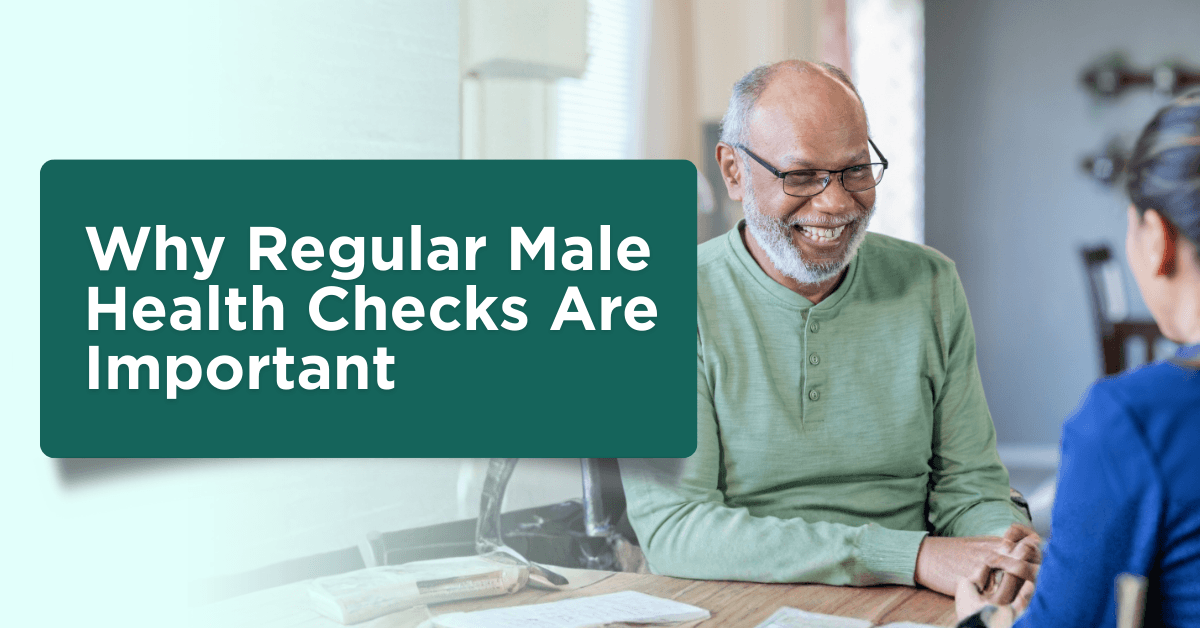
Many men only visit a GP when something feels seriously wrong. However, some of the most significant health conditions affecting men develop gradually and often without obvious symptoms in the early stages.
A routine male health check is one of the most effective ways to detect issues early and protect long-term wellbeing. Preventative care is not about assuming illness. It is about staying ahead of potential risk.
For men living locally, a male health check Cranbourne West appointment can provide practical, confidential support for heart health, diabetes risk, prostate concerns, mental wellbeing and long-term prevention.
What Is a Male Health Check?
A men’s health check is a comprehensive consultation focused on identifying risk factors and monitoring overall health. The exact checks depend on your age, medical history, family history, lifestyle and symptoms.
A GP check-up for men may include blood pressure assessment, cholesterol and cardiovascular risk screening, blood glucose testing, weight and BMI review, prostate health discussion, bowel cancer screening guidance, skin cancer risk discussion, mental health review and lifestyle assessment.
The goal is early detection and prevention, not just treatment. A male health check Cranbourne West consultation can help you understand your current health markers and what steps may reduce future risk.
Cranbourne West Medical Centre provides local men’s health services for patients who want practical GP support and preventive care.
Why Preventative Men’s Health Matters
Many common conditions affecting men can develop silently. These may include high blood pressure, type 2 diabetes, high cholesterol, cardiovascular disease, prostate conditions and mental health concerns.
These conditions may not produce symptoms until they are more advanced. For example, high blood pressure and high cholesterol often have no obvious warning signs. Diabetes risk can also build gradually before symptoms become noticeable.
Preventative men’s health focuses on identifying risk factors early, when lifestyle adjustments, monitoring or early treatment may reduce long-term complications.
A male health check Cranbourne West appointment can also help your GP track changes over time. Trends in blood pressure, blood tests, weight, mood, sleep and lifestyle can be more useful than a single result.
6 Key Reasons Regular Male Health Checks Matter
Regular health checks are not about fear. They are about staying informed and giving yourself the best chance of long-term wellbeing.
1. They Help Detect Silent Health Risks
Some of the most important health risks affecting men are silent in the early stages. You may feel well while blood pressure, cholesterol, blood glucose or weight-related risk is changing in the background.
A routine male health check can help detect these risks before they cause more serious health problems. Your GP may recommend blood tests, blood pressure checks, physical examination or screening discussions based on your personal situation.
Early detection does not always mean medication is needed. Sometimes the first step is lifestyle support, repeat testing or closer monitoring.
The benefit is clarity. Instead of guessing, you can make decisions based on your actual health profile.
2. They Support Heart and Cardiovascular Health
Heart disease remains one of the major health concerns for Australian men. Risk factors such as smoking, high cholesterol, high blood pressure, diabetes, sedentary lifestyle, family history and poor diet can often be identified during a routine check-up.
A GP may assess your cardiovascular risk using information such as your age, blood pressure, cholesterol, smoking status, diabetes status and family history.
This helps guide prevention. For some men, lifestyle changes may be the main focus. For others, medication, follow-up testing or closer management may be recommended.
A male health check Cranbourne West consultation can also help you discuss exercise, nutrition, alcohol intake, smoking, sleep and stress as part of heart disease prevention.
If heart risk is a concern, you may also benefit from discussing a Heart Health Check with your GP.
3. They Can Identify Diabetes and Metabolic Risk
Type 2 diabetes can develop gradually and may not cause symptoms at first. Some men may have elevated blood glucose or insulin resistance before a formal diagnosis.
Your GP may consider blood glucose testing, HbA1c testing, weight assessment, waist measurement and lifestyle review depending on your risk.
Risk may be higher if you have a family history of diabetes, higher body weight, high blood pressure, high cholesterol, previous abnormal glucose results, certain ethnic backgrounds or lower physical activity levels.
Early identification gives you more options. Nutrition changes, movement, weight management, sleep improvement and follow-up monitoring may help reduce risk or slow progression.
For men managing long-term conditions, Cranbourne West Medical Centre also provides chronic disease management support.
4. They Create Space to Discuss Prostate and Cancer Screening
From mid-life onwards, prostate health often becomes an important discussion point. Not all men need immediate testing, but your GP can provide evidence-based guidance on prostate symptoms, PSA blood testing, family history and personal risk.
Prostate screening decisions should be individual. PSA testing can help detect some prostate cancers, but it also has limitations. Your GP can explain the potential benefits, risks and next steps.
A men’s health check may also include bowel cancer screening guidance, skin cancer risk discussion and advice about other screening programs based on age, symptoms and family history.
If you notice urinary changes, blood in urine, unexplained weight loss, bowel changes, a changing mole, persistent pain or unusual symptoms, do not wait for a routine check. Book a GP appointment for assessment.
For skin concerns, you can also ask about a Skin Cancer Check based on your sun exposure and risk factors.
5. They Support Mental Health and Stress Management
Mental health is an essential part of men’s health. Many men are less likely to seek help early for emotional concerns, stress, anxiety, depression, sleep issues or burnout.
A routine GP check-up for men gives you a private opportunity to talk about how you are really coping. You do not need to wait until things feel unmanageable.
Your GP may ask about mood, sleep, stress, work pressure, relationships, alcohol use, motivation, energy and daily functioning.
Early support can improve quality of life and reduce the risk of problems escalating. This may include counselling, lifestyle strategies, mental health care planning, referral or follow-up appointments.
Cranbourne West Medical Centre provides mental health support for anxiety, depression, PTSD, ADHD, burnout, stress and related concerns.
6. They Build a Long-Term Relationship With Your GP
Regular male health checks support continuity of care. When your GP understands your history, they can track changes more effectively and provide more personalised advice.
This matters because health risks often change gradually. Blood pressure may creep up over time. Cholesterol may shift. Weight may change. Mood, sleep, energy and lifestyle habits may also fluctuate.
A GP who knows your history can identify subtle changes earlier and recommend care that fits your life.
A male health check Cranbourne West appointment is not just a one-off review. It can be part of an ongoing partnership focused on prevention, early detection and practical health planning.
If you are ready to start, you can book an appointment with Cranbourne West Medical Centre.
What Happens During a GP Check-Up for Men?
A GP check-up for men is usually straightforward. Your doctor may begin by asking about your medical history, family history, medications, symptoms, lifestyle and any concerns you have noticed.
They may check your blood pressure, weight, BMI or waist measurement. Depending on your age and risk factors, they may request blood tests to assess cholesterol, blood glucose, liver function, kidney function or other markers.
Your GP may also discuss screening programs, prostate health, bowel health, skin checks, sexual health, mental wellbeing and vaccinations.
The appointment is not designed to overwhelm you. The aim is to create a clear picture of your health and identify realistic next steps.
When Should You Book a Male Health Check?
You should consider scheduling a men’s health check if you are over 40, have not seen a GP in the past year, have a family history of chronic disease, smoke or previously smoked, have high blood pressure, have high cholesterol, notice changes in energy, weight, mood or sleep, or simply want reassurance.
Younger men can also benefit from preventive care. Health checks can establish baseline measurements, support mental health, discuss sexual health, review lifestyle habits and identify early risk factors.
If you have symptoms, do not wait for an annual review. New chest pain, severe shortness of breath, sudden weakness, heavy bleeding, severe pain, sudden testicular pain or urgent symptoms should be treated promptly.
Men’s Health in Cranbourne West
Accessing regular men’s health in Cranbourne West helps support continuity of care and personalised monitoring over time.
Your GP can track changes in your health markers, provide tailored advice and adjust management plans as needed.
Cranbourne West Medical Centre supports men with preventive health checks, cardiovascular risk assessment, chronic disease management, mental health care, sexual health, skin checks and general medical concerns.
A male health check Cranbourne West appointment can help you understand where your health stands now and what steps may protect your future wellbeing.
Common Myths About Male Health Checks
Myth 1: I Only Need a GP If I Feel Sick
Many serious health risks develop silently. Feeling well does not always mean all risk factors are normal.
Myth 2: Health Checks Are Only for Older Men
Preventive care is useful across adulthood. Younger men can benefit from baseline checks, lifestyle advice, mental health support and early risk assessment.
Myth 3: Prostate Testing Is the Only Men’s Health Issue
Prostate health matters, but men’s health also includes heart risk, diabetes, mental health, bowel screening, skin checks, lifestyle and sexual health.
Myth 4: Talking About Mental Health Is Weakness
Seeking help is a responsible health decision. Mental wellbeing is just as important as physical health.
Myth 5: One Normal Check Means I Am Fine Forever
Health changes over time. Regular reviews help monitor trends and identify new risks early.
Prevention Today Protects Tomorrow
Good health rarely happens by accident. Regular male health checks allow for early disease detection, proactive management and informed decision-making.
Taking time for a preventive review is not a sign of weakness. It is a responsible step toward long-term wellbeing.
If it has been more than a year since your last check-up, now may be the right time to book one.
A male health check Cranbourne West appointment can help you understand your risks, ask questions and take practical action for your future health.
Final Thoughts
Many men delay GP visits until symptoms become difficult to ignore. Unfortunately, some conditions do not provide early warning signs.
A regular male health check can help identify silent risks, support heart health, review diabetes risk, discuss prostate and cancer screening, and create space for mental health conversations.
Preventative care gives you more information, more options and more control.
If you live in Cranbourne West or nearby, Cranbourne West Medical Centre can support your health with confidential, practical and personalised GP care.
Frequently Asked Questions
What is included in a male health check?
A male health check may include blood pressure, cholesterol, blood glucose, weight, BMI, cardiovascular risk assessment, prostate health discussion, bowel screening guidance, mental health review and lifestyle assessment.
How often should men have a health check?
The timing depends on age, medical history, family history and risk factors. Many men benefit from an annual GP check-up, especially after 40 or if they have chronic disease risks.
Do I need a check-up if I feel healthy?
Yes. Many conditions, including high blood pressure, high cholesterol and type 2 diabetes risk, may not cause symptoms early.
When should men discuss prostate health?
Prostate health discussions often become more relevant from mid-life onwards, especially if you have urinary symptoms, family history or concerns. Your GP can explain testing options and limitations.
Where can I book a male health check Cranbourne West?
You can book a male health check Cranbourne West appointment at Cranbourne West Medical Centre for preventive screening, risk assessment and personalised GP advice.