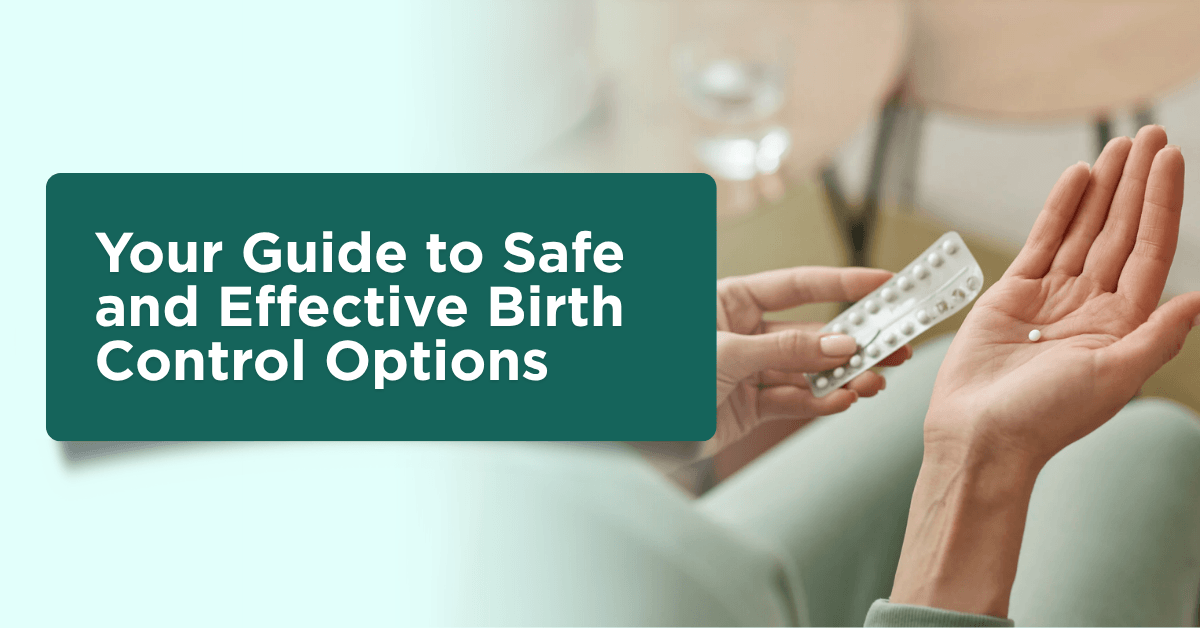
Choosing contraception is a personal healthcare decision, and for many women, it is not always as straightforward as simply “going on the pill.”
Lifestyle, medical history, future pregnancy plans, hormonal preferences, convenience, side effects and long-term health considerations can all influence which contraceptive option may be most suitable.
At the same time, online information about contraception can feel overwhelming or contradictory, leaving many people unsure where to start.
Patients commonly search for contraception advice, birth control options, family planning, IUD contraception and the oral contraceptive pill when looking for clear, medically guided information about reproductive healthcare.
The good news is that several safe and effective contraception options are available in Australia. Speaking with a GP can help patients understand which approach may suit their individual needs and circumstances.
Why Contraception Choices Are Personal
There is no single “best” contraception method for everyone.
The most appropriate option depends on age, lifestyle, medical history, smoking status, hormonal preferences, pregnancy plans, existing health conditions and comfort with different methods.
Some people prioritise long-term convenience. Others prefer hormone-free options, cycle control, reversibility, privacy, ease of use or support with heavy or painful periods.
Others may be seeking contraception as part of broader family planning discussions.
This is why personalised medical advice matters. General online information can be helpful, but it cannot fully account for your health history and goals.
For local patients, contraception advice Cranbourne West appointments can help compare options in a private and supportive setting.
Cranbourne West Medical Centre provides women’s health and antenatal care including contraception, IUD, Mirena, Kyleena and Implanon support.
What Is Contraception?
Contraception refers to methods used to help prevent pregnancy.
There are several categories of contraception available, including hormonal contraception, long-acting reversible contraception, barrier methods, emergency contraception and non-hormonal options.
Patients searching birth control options, contraception clinic or contraception advice are often exploring which methods may best align with their health goals and lifestyle preferences.
Some methods require daily use. Others last for years once inserted by a trained healthcare professional.
Some help reduce the risk of sexually transmitted infections, while others focus only on pregnancy prevention.
A GP can explain the differences clearly and help you decide what may be appropriate.
7 Birth Control Options to Discuss With Your GP
The right contraception method depends on your body, health needs and preferences. A GP can help compare benefits, risks, side effects and practical considerations.
1. The Combined Oral Contraceptive Pill
The oral contraceptive pill remains one of the most commonly discussed contraception methods in Australia.
The combined pill contains oestrogen and progestogen. It usually works by preventing ovulation and changing cervical mucus to reduce the chance of pregnancy.
Some women may choose the pill for pregnancy prevention, cycle regulation, period-related symptoms or hormonal management.
However, suitability depends on individual health circumstances.
Before prescribing the combined pill, a GP will usually review medical history, blood pressure, smoking status, migraine history, blood clot risk, medications and other health factors.
The pill can be effective when taken correctly, but it requires consistency. Missed pills, vomiting, diarrhoea or some medications can reduce effectiveness.
Contraception advice Cranbourne West appointments can help determine whether the pill is suitable or whether another option may be safer or more convenient.
2. The Progestogen-Only Pill
The progestogen-only pill, sometimes called the mini pill, is another oral contraception option.
It may be considered for people who cannot use oestrogen-containing contraception, including some breastfeeding patients or those with certain risk factors.
The progestogen-only pill must be taken consistently and correctly to work well. Timing can be especially important depending on the type prescribed.
Your GP can explain how it works, what to do if a pill is missed, possible bleeding changes and whether it suits your health history.
This option may be helpful for some patients, but it is not the best fit for everyone.
3. Hormonal IUDs
A hormonal IUD is a small device placed inside the uterus by a trained healthcare professional.
In Australia, hormonal IUDs such as Mirena and Kyleena may be used for long-term contraception. They release a small amount of hormone locally in the uterus.
Some people choose hormonal IUDs because they are long-acting, low maintenance and reversible.
They may also reduce heavy menstrual bleeding for some patients, although individual results vary.
Insertion involves a procedure, so medical consultation is important. Your GP can discuss suitability, risks, benefits, possible side effects, expected bleeding changes and referral or insertion options.
Cranbourne West Medical Centre provides contraception support, including IUD-related care, through its women’s health services.
4. Copper IUDs
A copper IUD is a non-hormonal intrauterine device placed inside the uterus.
It can provide long-term, reversible contraception without using hormones.
Some people choose copper IUDs because they prefer a hormone-free option or cannot use hormonal contraception.
Copper IUDs can also be used as emergency contraception in some circumstances when inserted within the appropriate timeframe by a trained provider.
However, copper IUDs may cause heavier or more painful periods for some people, so they may not suit everyone.
A GP can explain whether this option fits your menstrual history, health needs and preferences.
5. Contraceptive Implants
A contraceptive implant is a small rod inserted under the skin of the upper arm by a trained healthcare professional.
It is a long-acting reversible contraception option and can provide protection for several years.
Many people choose implants because they do not need to remember a daily pill.
The implant can cause changes in bleeding patterns. Some people have lighter bleeding, some have irregular bleeding and some stop bleeding altogether.
Your GP can discuss whether the implant is suitable, what side effects may occur, and what the insertion and removal process involves.
For patients seeking low-maintenance birth control options, contraception advice Cranbourne West appointments can help compare implants with IUDs and other methods.
6. Condoms and Barrier Methods
Barrier methods include external condoms, internal condoms and diaphragms.
Condoms are especially important because they help reduce the risk of sexually transmitted infections while also helping prevent pregnancy.
Most other contraception methods, including the pill, IUDs and implants, do not protect against STIs.
This is why condoms may still be recommended even when another contraception method is being used.
Barrier methods can be useful for people who want non-hormonal contraception, occasional contraception or STI protection.
A GP can explain correct use, emergency contraception options if a condom breaks, and when STI testing may be appropriate.
Cranbourne West Medical Centre also provides sexual health services for patients seeking STI testing, contraception advice, PrEP, PEP and confidential support.
7. Contraceptive Injection and Vaginal Ring
The contraceptive injection is a hormonal method given every few months. It may suit some people who prefer not to take a daily pill, but it can cause bleeding changes and may not be suitable for everyone.
The vaginal ring is another hormonal method that is placed in the vagina and replaced on a schedule. It contains hormones similar to the combined pill.
Both methods require medical advice to assess suitability.
Your GP can discuss how they work, possible side effects, timing, missed-dose guidance and whether they match your health history and preferences.
What Is Long-Acting Reversible Contraception?
Long-acting reversible contraception, often called LARC, includes methods such as IUDs and contraceptive implants.
These methods are highly effective because they do not rely on daily action.
Family Planning NSW describes IUDs and implants as “fit and forget” methods that can be removed by a trained professional and are reversible after removal.
However, LARC methods do not protect against sexually transmitted infections.
This means condoms may still be important depending on your circumstances.
If you are considering LARC, a GP can explain insertion, removal, side effects, bleeding changes, effectiveness, costs and suitability.
Why Medical Assessment Matters
Not every contraception option is suitable for every person.
Factors such as blood pressure, migraine history, smoking, cardiovascular risk, blood clot history, liver disease, breast cancer history, medications, breastfeeding and previous side effects may influence which methods are appropriate.
This is why seeking contraception advice from a GP is important before starting or changing methods.
Medical assessment helps reduce risk and supports better decision-making.
It also gives you space to ask questions about side effects, periods, fertility, future pregnancy plans and what to do if contraception fails.
Can Contraception Help With Other Health Concerns?
Some contraception methods may also be discussed in relation to heavy periods, painful periods, cycle regulation, acne, endometriosis symptoms, premenstrual symptoms or hormonal concerns.
However, contraception should not be used without proper assessment, and suitability varies between individuals.
For example, a hormonal IUD may help some people with heavy bleeding, while the combined pill may help some people with cycle control. But these options are not suitable for everyone.
Your GP can help decide whether contraception may support another health concern or whether further investigation is needed.
What Happens During a Contraception Consultation?
A contraception appointment usually involves a confidential discussion about your medical history, pregnancy goals, current medications, lifestyle factors, menstrual history, sexual health, contraceptive preferences and previous side effects.
Your GP may check blood pressure, discuss STI testing, consider pregnancy testing if relevant, and explain the risks and benefits of different methods.
The goal is to help you make an informed decision based on balanced medical advice and your individual circumstances.
Patients searching contraception clinic, family planning or birth control options are often looking for supportive, confidential healthcare conversations without judgement.
A contraception advice Cranbourne West appointment can provide this kind of guidance close to home.
Is One Contraception Method More Effective Than Another?
Different contraception methods have different effectiveness rates.
Effectiveness can also depend on correct and consistent use.
Methods such as IUDs and implants are highly effective because they do not depend on daily remembering. Pills can also be effective when taken correctly, but missed doses can reduce protection.
Condoms are important for STI risk reduction but need to be used correctly every time to work well for pregnancy prevention.
A GP can discuss practical considerations, risks, benefits, side effects, suitability and long-term planning to help you understand the options.
Why Family Planning Conversations Matter
Contraception is not only about preventing pregnancy.
Family planning discussions may also involve future pregnancy goals, timing, fertility awareness, reproductive health, relationship circumstances and long-term reproductive planning.
Healthcare decisions around contraception are personal and may change over time as life circumstances evolve.
A person who wants to avoid pregnancy for several years may prefer a different option from someone planning pregnancy soon.
A GP can help you choose a method that fits your current life while remaining flexible for the future.
When Should You Review or Change Contraception?
It may be time to review contraception if you are experiencing side effects, forgetting pills, planning pregnancy, breastfeeding, approaching menopause, starting new medication, developing migraines, noticing blood pressure changes, or wanting a longer-acting option.
You should also seek advice if you have missed pills, had condom failure, had unprotected sex, or are worried your contraception may not be working.
Emergency contraception may be time-sensitive, so seek advice promptly if needed.
For local support, you can book an appointment with Cranbourne West Medical Centre to discuss contraception options.
Common Myths About Birth Control
Myth 1: The Pill Is the Only Real Option
The pill is common, but there are many options, including IUDs, implants, injections, condoms, rings and non-hormonal methods.
Myth 2: Long-Acting Contraception Is Permanent
IUDs and implants are long-acting but reversible. They can be removed by a trained healthcare professional.
Myth 3: Hormonal Contraception Suits Everyone
Some people should avoid certain hormonal methods because of medical history or risk factors. GP assessment matters.
Myth 4: IUDs Are Only for People Who Have Had Children
IUD suitability depends on individual health circumstances, not simply whether someone has had children.
Myth 5: Contraception Protects Against STIs
Most contraception methods do not protect against STIs. Condoms help reduce STI risk.
Final Thoughts
There are many safe and effective birth control options available, but the most appropriate contraception choice depends on individual health needs, lifestyle and reproductive goals.
Whether you are considering the oral contraceptive pill, IUD contraception, long-acting contraception, condoms or non-hormonal options, personalised medical advice can help you make an informed decision.
If you are unsure which contraception method may be suitable, speaking with a GP can provide balanced guidance, answer questions and support informed family planning decisions.
For local patients, contraception advice Cranbourne West appointments at Cranbourne West Medical Centre can help you compare options in a private, supportive and medically guided setting.
Frequently Asked Questions
What is contraception?
Contraception refers to methods used to help prevent pregnancy. Options include pills, IUDs, implants, condoms, injections, rings and non-hormonal methods.
What is the best birth control option?
There is no single best option for everyone. The right method depends on health history, lifestyle, pregnancy plans, preferences and medical suitability.
Does the pill suit everyone?
No. A GP will usually review blood pressure, migraine history, smoking status, medications and other health factors before prescribing hormonal contraception.
What is an IUD?
An IUD is a small device placed inside the uterus by a trained healthcare professional. Hormonal and copper IUD options are available.
Does contraception protect against STIs?
Most methods do not protect against STIs. Condoms can help reduce STI risk and may be used alongside other contraception methods.
Can contraception help with heavy or painful periods?
Some methods may help with heavy or painful periods, but suitability varies. Speak with a GP for assessment and advice.
Where can I get contraception advice Cranbourne West?
You can book contraception advice Cranbourne West appointments at Cranbourne West Medical Centre for GP support with the pill, IUDs, implants, condoms, family planning and reproductive health.
References
https://www.healthdirect.gov.au/contraception-options
https://www.fpnsw.org.au/health-information/individuals/contraception/contraception-choices
https://www.fpnsw.org.au/health-information/individuals/contraception
https://www.betterhealth.vic.gov.au/health/healthyliving/contraception-choices
https://www.healthdirect.gov.au/contraceptive-implant
https://www.jeanhailes.org.au/health-topics/sex-and-sexual-health/contraception/
https://www.shvic.org.au/for-you/contraception/
Medical Disclaimer
This blog is for general informational purposes only and does not constitute medical advice. Contraception suitability, risks and benefits vary between individuals. Please speak with a qualified GP or reproductive health professional for advice specific to your circumstances.