Feeling exhausted all the time is often dismissed as part of modern life.
People blame busy schedules, stress, poor sleep, parenting, work pressure or simply “getting run down.” But for some Australians, ongoing fatigue may be linked to something happening beneath the surface: low iron levels.
What surprises many patients is that iron deficiency does not always mean someone has severe anaemia.
Some people may experience symptoms of low iron before anaemia becomes advanced or obvious. This is one reason interest in iron infusion treatment, iron deficiency treatments and iron infusion GP services continues to grow across Australia.
For patients wondering whether low iron may be contributing to their symptoms, understanding when iron infusions may be considered and who may benefit can make the process less confusing.
What Is Iron Deficiency?
Iron is an essential mineral involved in important body functions, including oxygen transport and energy production.
When iron levels become low, the body may struggle to produce healthy red blood cells efficiently. Iron deficiency can develop gradually and may affect people differently depending on iron stores, overall health, diet, medical conditions, blood loss and absorption issues.
Patients searching what causes iron deficiency, iron deficiency treatments or why they are always tired are often surprised by how common iron deficiency can be.
A GP can arrange blood tests to check iron levels, assess symptoms and look for possible causes before recommending treatment.
Cranbourne West Medical Centre provides pathology and blood tests on site, which can support investigation of fatigue, low iron and related concerns.
6 Groups Who May Benefit From Iron Infusion Assessment
Iron infusions are not automatically recommended for tiredness alone. They may be considered for selected patients after GP assessment, blood testing and review of the underlying cause.
1. People With Significant Iron Deficiency
Iron deficiency can affect energy, concentration, exercise tolerance and daily functioning.
Some people have low iron stores without severe anaemia. Others may have iron deficiency anaemia, where low iron affects haemoglobin and red blood cell production.
A GP will usually assess blood test results, symptoms and medical history before deciding whether treatment is needed.
Treatment may involve dietary changes, oral iron supplements, investigation of blood loss or, in selected cases, iron infusion treatment.
An iron infusion Cranbourne West appointment should only be considered after proper medical assessment.
2. People Who Cannot Tolerate Oral Iron
Oral iron supplements can work well for many patients, but they are not always easy to tolerate.
Some people experience nausea, constipation, stomach discomfort, bloating, diarrhoea or other digestive side effects. Others stop taking tablets because the side effects interfere with daily life.
If oral iron is not tolerated, your GP may discuss alternative options.
This does not automatically mean an infusion is needed, but it may be part of the discussion if blood tests confirm deficiency and treatment is clinically appropriate.
A GP can also review the type, dose and timing of oral iron before deciding whether another approach is needed.
3. People Who Do Not Respond Adequately to Tablets
Some patients take oral iron consistently but still struggle to improve their iron levels.
This may happen if the dose is not suitable, the product contains too little elemental iron, the supplement is not absorbed well, or there is ongoing blood loss.
It may also occur with gastrointestinal conditions, inflammation, certain medications or other health factors that reduce absorption.
If iron levels are not improving, your GP may repeat blood tests, review how the supplement is being taken, check for ongoing causes and decide whether referral or iron infusion treatment is appropriate.
An iron infusion Cranbourne West assessment can help clarify whether low iron is being corrected properly or whether another cause needs investigation.
4. People Who Need Faster Iron Replacement
In some situations, iron replacement may need to occur more rapidly than oral tablets can provide.
This may apply before certain medical procedures, after significant blood loss, during pregnancy or after birth, or when symptoms are affecting function and oral treatment is not suitable.
The decision depends on urgency, blood test results, symptoms and overall health.
Your GP will consider whether faster replacement is appropriate or whether oral iron remains suitable.
Iron infusions can replenish iron stores more directly than tablets, but they still require careful assessment and monitoring.
5. People With Absorption Difficulties
Some people cannot absorb iron effectively through the digestive system.
This may be linked to gastrointestinal conditions, previous surgery, inflammatory bowel disease, coeliac disease or other absorption-related problems.
If the body cannot absorb enough iron from food or oral supplements, low iron may continue despite treatment attempts.
A GP may investigate possible absorption issues and consider whether intravenous iron is suitable.
In these cases, the goal is not just to increase iron levels. It is also to understand why the deficiency is happening and how to manage it long term.
6. Pregnant or Postnatal Patients With Low Iron
Iron deficiency is common during pregnancy and after birth because iron needs increase and blood loss may occur during delivery.
Some pregnant or postnatal patients can manage low iron with diet or oral supplements. Others may need further assessment if iron levels are very low, symptoms are significant or oral iron is not tolerated.
Iron infusion suitability during pregnancy or after birth should always be discussed with a GP, obstetrician or maternity care provider.
Cranbourne West Medical Centre provides women’s health and antenatal care for patients who need pregnancy-related health support and iron deficiency assessment.
What Symptoms Can Low Iron Cause?
Low iron levels may contribute to fatigue, reduced energy, difficulty concentrating, shortness of breath, headaches, dizziness, pale skin, reduced exercise tolerance, weakness or feeling run down.
Some people may also notice restless legs, brittle nails, hair shedding or feeling unusually cold, although these symptoms can have many possible causes.
Symptoms alone cannot confirm iron deficiency. Many conditions can cause fatigue, including thyroid problems, sleep issues, stress, vitamin deficiencies, infection, chronic disease and mental health concerns.
This is why persistent fatigue should not be dismissed, but it should also not be self-diagnosed.
A blood test and GP review are the safest starting point.
Are Iron Infusions Only for Severe Anaemia?
One of the biggest misconceptions is that iron infusion treatment is only used for people with severe anaemia.
In reality, iron infusions may sometimes be considered for patients with significant iron deficiency, oral iron intolerance, poor response to tablets, absorption difficulties or a need for more rapid iron replacement.
However, not everyone with low iron needs an infusion.
For many patients, oral iron remains the first treatment option. The right approach depends on blood test results, symptoms, medical history, underlying causes and clinical assessment.
Patients searching who needs an iron infusion, iron infusion GP or iron deficiency treatments should speak with a qualified GP before assuming which treatment is appropriate.
What Causes Iron Deficiency?
There are many possible causes of low iron levels.
Common contributors include heavy menstrual bleeding, pregnancy, low dietary iron intake, gastrointestinal blood loss, bowel conditions, chronic illness, frequent blood donation, recent surgery or reduced iron absorption.
In men and postmenopausal women, iron deficiency may require careful investigation because blood loss from the gastrointestinal tract can sometimes be a cause.
Because iron deficiency may sometimes signal an underlying medical condition, proper assessment is important before treatment begins.
Your GP may recommend blood tests, stool testing, medication review, menstrual history review, dietary assessment or referral depending on your situation.
What Is an Iron Infusion?
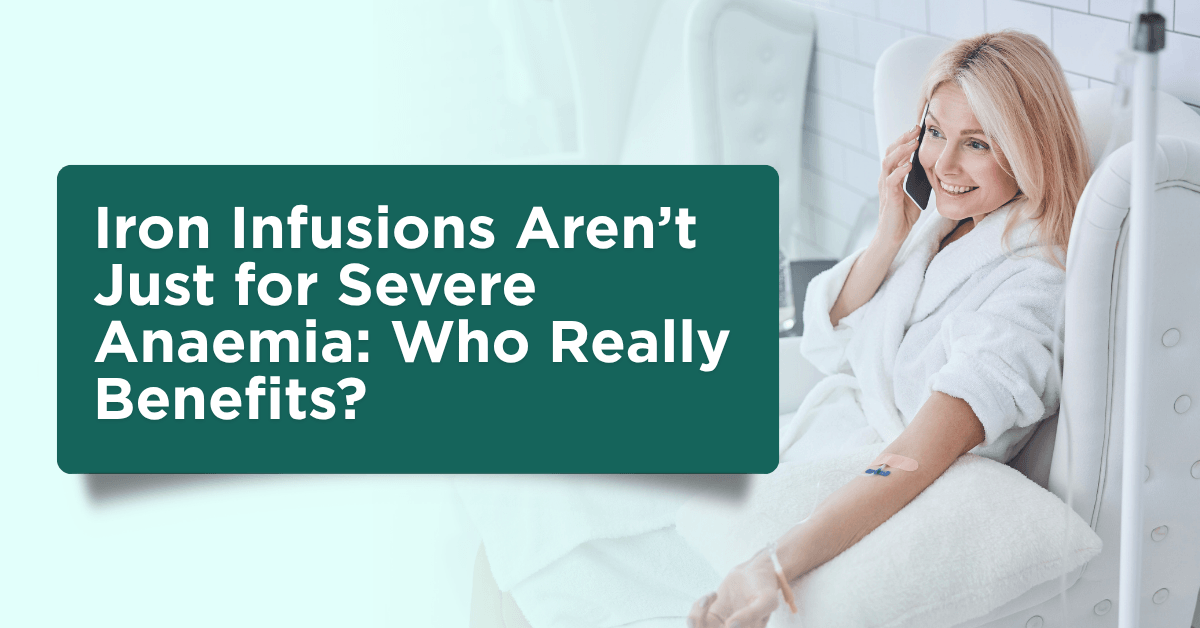
An iron infusion is a medical treatment where iron is delivered directly into the bloodstream through a vein.
Unlike oral iron tablets, which are absorbed gradually through the digestive system, an infusion allows iron to enter circulation more directly.
Patients searching what is iron infusion treatment, iron infusion GP or how iron infusion works are often looking for alternatives after struggling with ongoing symptoms or oral supplements.
During the procedure, intravenous iron is given through a drip while you are monitored by healthcare staff.
Cranbourne West Medical Centre provides iron infusion services for suitable patients after assessment. You can learn more through the clinic’s iron infusion service page or book an appointment to discuss eligibility.
How Does a GP Decide If an Iron Infusion Is Suitable?
An iron infusion is not recommended based on tiredness alone.
Your GP will usually consider blood test results, severity of iron deficiency, symptoms, previous treatment attempts, medical history, pregnancy status, possible underlying causes and whether oral iron is suitable.
They may also consider whether further investigation is needed before replacing iron.
For example, if iron deficiency is caused by heavy periods, the bleeding itself may need management. If it is caused by gastrointestinal blood loss, further investigation may be important.
A good treatment plan addresses both the low iron and the reason it developed.
What Happens During an Iron Infusion?
Iron infusions are generally performed in a monitored clinical setting.
The process usually involves a medical assessment beforehand, review of blood test results, consent discussion, placement of a small cannula into a vein, administration of iron through a drip, and observation during and after treatment.
Appointment length can vary depending on the type of iron used, dose required and clinic process.
Patients are monitored for possible side effects or reactions during treatment.
Your clinic will explain preparation instructions, what to expect, and whether follow-up blood tests are needed.
Are Iron Infusions Safe?
Like all medical treatments, iron infusions can have risks and potential side effects.
Most side effects are mild, but reactions can occur. Possible side effects may include headache, nausea, dizziness, flushing, muscle aches, injection site irritation or temporary changes in taste.
Rarely, allergic reactions or more serious reactions can occur, which is why monitoring is important.
Patients with questions about allergies, pregnancy, medical conditions, previous reactions or medication interactions should discuss these during their consultation.
Your GP can explain the risks and benefits based on your individual circumstances.
Why Treating Iron Deficiency Matters
Untreated iron deficiency may continue affecting energy levels, physical performance, concentration, mood, daily functioning and quality of life.
In some cases, symptoms may gradually worsen over time if the underlying cause is not addressed.
Treatment is not only about increasing iron levels. It is also about identifying and managing the reason iron deficiency developed in the first place.
This is why GP assessment matters before starting supplements or booking an infusion.
If you are experiencing ongoing fatigue, low energy or symptoms that may be linked to iron deficiency, an iron infusion Cranbourne West assessment can help determine whether blood tests or treatment may be appropriate.
Common Myths About Iron Infusions
Myth 1: Iron Infusions Are Only for Severe Anaemia
Iron infusions may be considered for selected patients with significant iron deficiency, oral iron intolerance, poor absorption or poor response to tablets, not only severe anaemia.
Myth 2: Feeling Tired Means You Need an Iron Infusion
Fatigue has many possible causes. Blood tests and GP assessment are needed before deciding on treatment.
Myth 3: Iron Tablets Never Work
Oral iron works well for many patients and is often first-line treatment. It may not suit everyone, but it should not be dismissed without medical advice.
Myth 4: One Infusion Solves the Problem Forever
Iron levels can fall again if the underlying cause continues. Follow-up and investigation may still be needed.
Myth 5: Iron Infusions Have No Risks
Iron infusions are commonly used, but they still carry possible side effects and rare risks. Suitability should be assessed by a GP.
Final Thoughts
Iron infusions are not only for patients with severe anaemia.
For some individuals with iron deficiency, particularly those who cannot tolerate oral supplements, do not respond adequately to tablets, have absorption issues or require more significant iron replacement, an iron infusion may be one possible treatment option.
However, suitability depends on careful medical assessment, blood test results, symptoms and individual health circumstances.
If you are experiencing ongoing fatigue, low energy or symptoms that may be linked to iron deficiency, speaking with a GP can help determine whether further investigation or treatment may be appropriate.
For local patients, an iron infusion Cranbourne West appointment at Cranbourne West Medical Centre can help clarify whether testing, oral iron, infusion therapy or further investigation is the right next step.
Frequently Asked Questions
Are iron infusions only for severe anaemia?
No. Iron infusions may sometimes be considered for significant iron deficiency, poor tolerance of oral iron, poor response to tablets or absorption issues. Suitability depends on GP assessment and blood tests.
What symptoms can low iron cause?
Low iron may contribute to fatigue, weakness, poor concentration, dizziness, headaches, shortness of breath and reduced exercise tolerance. These symptoms can also have other causes.
Do I need a blood test before an iron infusion?
Yes. Blood tests are usually needed to confirm iron deficiency, assess severity and guide treatment decisions.
Can I try iron tablets before an infusion?
Many patients can use oral iron, and it is often first-line treatment. If tablets are not tolerated or do not work well, your GP may discuss alternatives.
How long does an iron infusion take?
Appointment length varies depending on the type of iron used, the dose required and clinic processes. Your clinic will explain what to expect before treatment.
Are iron infusions safe?
Iron infusions are commonly used but can have side effects and rare risks. They should be given in a monitored clinical setting after GP assessment.
Where can I book an iron infusion Cranbourne West appointment?
You can book an iron infusion Cranbourne West assessment at Cranbourne West Medical Centre to discuss low iron symptoms, blood tests and treatment options.
References
https://www.healthdirect.gov.au/iron-deficiency
https://www.healthdirect.gov.au/iron-infusion
https://www.blood.gov.au/iron-product-choice-and-dose-calculation-guide-adults
https://www1.racgp.org.au/ajgp/2025/may/ferric-carboxymaltose-a-practical-guide-on-the-adm
Medical Disclaimer
This blog is for general informational purposes only and does not constitute medical advice. Iron deficiency symptoms, causes and treatment options vary between individuals. Please speak with a qualified GP to discuss testing, suitability and the most appropriate treatment for your situation.