
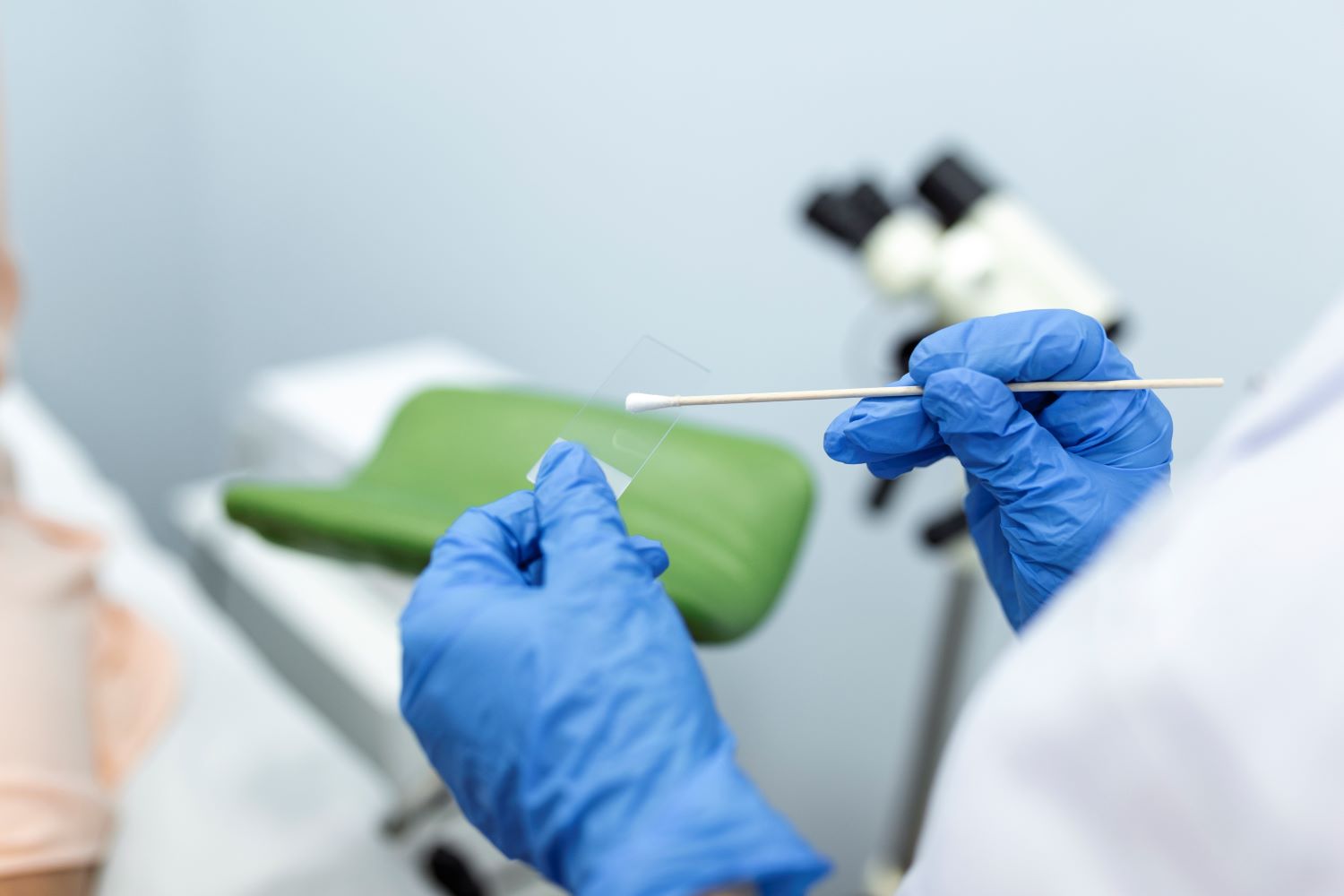
What is the Cervical Screening Test?
The Cervical Screening Test (CST) detects high-risk types of human papillomavirus (HPV) — the virus
that causes virtually all cervical cancers. Compared to the old Pap smear, the CST is more accurate,
finds problems earlier, and only needs to be done every 5 years (not every 2). Free under Medicare for
eligible Australians aged 25–74.
Who is eligible?
Anyone with a cervix aged 25–74 who has ever been sexually active. This includes women, transgender
men, non-binary people and intersex people. If you’re 25 and have never had a Pap smear or CST before,
your first test is now due. If your last test was negative, your next is due 5 years later.
Self-collection vs clinician-collected — what’s the difference?
Both tests look for the same HPV virus and have very similar accuracy. Self-collection
means you take the sample yourself in private (using a simple swab provided by the GP), then hand it to
the GP or nurse. Clinician-collected means a GP/nurse takes the sample using a speculum
(the traditional method). You choose. Self-collection has been shown to be just as effective for HPV
detection. If your self-collected sample is HPV-positive, you’ll be invited back for a
clinician-collected follow-up to investigate further.
Self-collection — step by step
1. Book a 15-minute slot with one of our female GPs. 2. Arrive at the
clinic. Your GP will take a brief health history. 3. Privacy. You’re left
alone in a private bathroom with the swab kit and clear instructions. 4. Take the
sample. A simple cotton-tipped swab inserted into the vagina (not as deep as a tampon) and
rotated for 30 seconds. 5. Hand it back. Place in the lab tube provided and give to
your GP. Whole visit takes 15 minutes.
Why the 5-year interval?
The new HPV-based test is much more sensitive than the old Pap smear. If your test is negative, the
chance of developing cervical cancer in the next 5 years is extremely low. International evidence shows
5-yearly HPV screening saves more lives than 2-yearly Pap smears. The longer interval also makes
screening more accessible — fewer appointments, less discomfort, more women actually doing it.
What if my test is positive?
An HPV-positive result doesn’t mean you have cancer — most HPV infections clear on their own. Your GP
will arrange follow-up testing (usually a colposcopy at a women’s hospital) within 6–8 weeks to check
the cells of the cervix. Most positive results lead to surveillance only, not treatment.
Do trans men and non-binary people need cervical screening?
Yes, if you have a cervix. The Australian National Cervical Screening Program is inclusive of all
people with cervixes regardless of gender identity. Our female GPs and Nurse Practitioner Daniel Sankar
(gender-affirming care provider) can support you through the process.
? Key Takeaways
- 5-yearly screening from age 25 to 74
- Self-collection is just as accurate as clinician-collected
- Bulk-billed at Cranbourne West Medical Centre
- Visit takes 15 minutes including history
- HPV-positive results lead to follow-up — not panic
- Inclusive of all people with a cervix