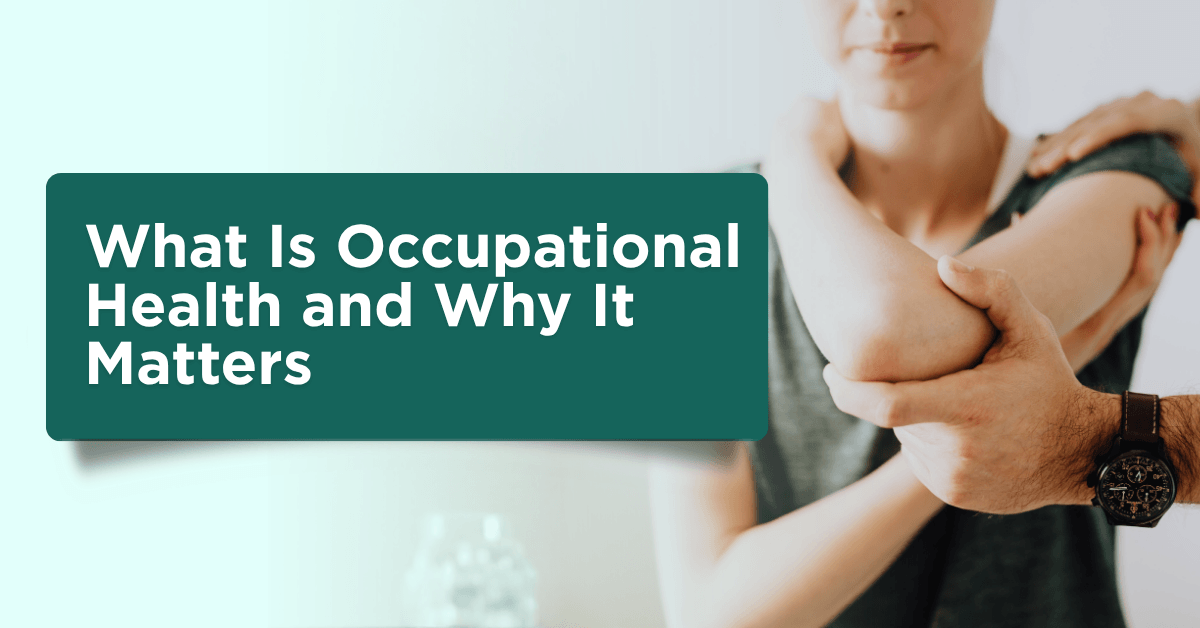
When most people think about workplace safety, they often picture hard hats, safety signs or physical injuries on job sites. But occupational health is much broader than preventing accidents.
Occupational health focuses on protecting the health, wellbeing and work capacity of employees. It helps workers stay healthy, safe and medically fit to perform their roles across different industries and work environments.
From office workers experiencing repetitive strain injuries to drivers managing fatigue, healthcare staff exposed to infectious illnesses, or labourers performing physically demanding tasks, workplace health can affect both employees and businesses.
For organisations and individuals searching for occupational health Cranbourne West services, understanding how workplace health assessments and preventive care work can support safer and healthier workplaces.
What Is Occupational Health?
Occupational health refers to healthcare services and assessments that focus on the relationship between work and health.
The goal is not only to manage workplace injuries. Occupational health may also support employee wellbeing, reduce workplace health risks, promote safe work practices, identify medical concerns that may affect work capacity, and assist with fitness for work assessments.
Patients and employers searching for occupational health services, workplace health services or an occupational health clinic are often trying to understand how healthcare and workplace safety connect.
Cranbourne West Medical Centre supports local patients and employers through workplace-related medical care, including medical reports and assessments where appropriate.
Why Occupational Health Matters
A healthy workforce benefits everyone. When workplace health concerns are identified early, businesses may be better positioned to reduce injury risk, support employee wellbeing, improve workplace safety processes, minimise avoidable absenteeism and assist injured workers returning to work safely.
For employees, occupational health assessments may help identify health issues that could affect their ability to safely perform certain job duties.
Occupational health is not only relevant after injuries occur. Preventive health monitoring, pre-employment checks and fitness assessments may also play an important role.
Occupational health Cranbourne West services can help local workers and businesses take a more proactive approach to workplace health.
6 Ways Occupational Health Supports Safer Workplaces
Occupational health services can vary depending on the role, industry and employer requirements. However, the overall goal is usually the same: to support safer, healthier and more sustainable work.
1. It Helps Assess Fitness for Work
Fitness for work assessments help determine whether a worker can safely perform the inherent requirements of a role.
This may be relevant before starting a new job, returning after injury, working in safety-sensitive roles, or managing a health condition that may affect work duties.
A fitness for work assessment may include medical history, physical examination, functional assessment, medication review and discussion of job requirements.
The aim is not to exclude people unnecessarily. It is to identify whether a person can perform the role safely, whether adjustments may be needed, or whether further medical information is required.
For workers and employers seeking occupational health Cranbourne West support, a GP can help clarify what assessment may be appropriate.
2. It Supports Pre-Employment Medical Assessments
Many businesses require medical assessments before employees begin certain roles. This is common in industries where work may involve manual handling, driving, machinery, shift work, exposure risks or physically demanding duties.
A pre-employment medical may involve medical history review, blood pressure assessment, vision checks, hearing checks, musculoskeletal assessment, functional capacity testing or drug and alcohol screening where applicable.
The purpose is to assess whether the worker can safely perform the role’s requirements.
These assessments should be relevant to the job. A good pre-employment medical focuses on work capacity and risk, not unnecessary barriers to employment.
3. It Helps Manage Workplace Injuries
Workplace injuries can affect movement, pain, confidence, income and daily life. Occupational health can support assessment, treatment planning and communication around recovery.
A GP may assess the injury, provide medical certificates where appropriate, recommend treatment, refer to allied health, and advise on suitable work duties during recovery.
Early medical assessment can help reduce the risk of minor injuries becoming more serious.
For employers, early assessment may support safer planning and clearer communication about what the worker can and cannot do while recovering.
Cranbourne West Medical Centre also provides allied health services that may support rehabilitation and ongoing care where appropriate.
4. It Supports Return-to-Work Planning
After illness or injury, returning to work safely may require medical guidance and workplace planning.
Occupational health assessments may help determine whether modified duties are suitable, whether hours should be adjusted, what physical limitations apply, and whether gradual return to work is appropriate.
The goal is generally to balance worker safety, recovery and meaningful participation in work.
Return-to-work planning may involve the worker, employer, GP, insurer, allied health providers and other relevant parties, depending on the situation.
A clear medical assessment can help reduce confusion and support a smoother return.
5. It Helps Identify Workplace Health Risks Early
Small workplace health concerns can sometimes become larger issues if left unmanaged.
Early assessment may help identify injury risks, functional limitations, fatigue concerns, work-related stress, hearing changes, respiratory issues, repetitive strain injuries, or health conditions affecting job performance.
For example, an office worker with wrist pain may benefit from early ergonomic advice. A driver with fatigue symptoms may need medical review. A worker exposed to dust or chemicals may need respiratory monitoring depending on the role.
Occupational health Cranbourne West services can help identify concerns early and recommend appropriate next steps.
6. It Supports Preventive Workplace Health
Occupational health is not only reactive. It can also be preventive.
Workplace vaccination programs, health checks, hearing tests, respiratory assessments, drug and alcohol screening, musculoskeletal assessments and health monitoring may all form part of workplace health services.
Preventive care may help reduce risk before injuries or illness occur.
For businesses, this can support a stronger workplace health culture. For employees, it can provide reassurance and early guidance about health concerns that may affect work.
What Services Can an Occupational Health Clinic Provide?
An occupational health clinic may offer a range of workplace-related medical services depending on the industry and employer requirements.
These may include pre-employment medical assessments, fitness for work assessments, workplace injury management, return-to-work assessments, drug and alcohol screening, vaccination programs, hearing tests, respiratory assessments, health monitoring and musculoskeletal assessments.
Specific services vary depending on the clinic, equipment available and workplace needs.
If you are booking an occupational health Cranbourne West appointment, it is helpful to tell the clinic what the assessment is for and bring any employer forms or role requirements.
What Is a Pre-Employment Medical Assessment?
A pre-employment medical assessment is a medical review requested before a person begins a job. It helps assess whether the person can safely perform the inherent requirements of the role.
Depending on the job, the assessment may include medical history, blood pressure, vision, hearing, musculoskeletal assessment, functional capacity testing, drug and alcohol screening or other checks.
For example, a role involving heavy lifting may require a musculoskeletal review. A driving role may require a fitness-to-drive assessment. A role with noise exposure may require hearing assessment.
The assessment should be relevant to the job demands.
If you have a health condition, this does not automatically mean you are unfit for work. Many conditions can be safely managed with appropriate treatment, monitoring or reasonable adjustments.
Occupational Health Is Not Just for Physical Labour Jobs
One common misconception is that occupational health only applies to construction sites or physically demanding industries.
In reality, workplace health concerns can affect employees across many sectors, including offices, healthcare, transport, warehousing, hospitality, manufacturing, education and retail.
Office workers may experience repetitive strain injuries, posture-related discomfort or stress. Drivers may face fatigue-related risks. Healthcare workers may need immunisation monitoring. Warehouse and manufacturing workers may face manual handling and musculoskeletal risks.
Because work and health are connected in many ways, workplace health services remain relevant across a wide range of industries.
Occupational Health and Workplace Safety
Occupational health forms part of a broader workplace safety approach.
Employers are responsible for maintaining safe work environments and managing workplace risks. Healthcare providers may assist by assessing medical fitness for duties, supporting injury management, monitoring workplace health risks and providing health advice related to work capacity or occupational exposure.
This collaborative approach can support both employee wellbeing and workplace productivity.
Safe Work Australia provides national policy and resources on work health and safety, while WorkSafe Victoria regulates and supports workplace safety in Victoria.
Occupational health does not replace workplace safety systems. It supports them by adding clinical assessment and health advice where needed.
What Happens During an Occupational Health Appointment?
The assessment process depends on the purpose of the appointment and the type of work involved.
An occupational health appointment may include medical history review, discussion of job requirements, physical assessment, functional testing, relevant screening tests and workplace-related health discussion.
Your GP or clinician may ask about current symptoms, past injuries, medications, surgeries, chronic conditions, work duties, lifting requirements, shift work, driving, exposure risks and previous workplace injuries.
Some roles may require industry-specific assessments depending on employer policies or regulatory requirements.
To prepare, bring any employer paperwork, position description, licence requirements, medication list, glasses or hearing aids if used, and relevant medical reports.
Occupational Health and Return-to-Work Support
Returning to work after illness or injury can be challenging without clear guidance.
Occupational health assessments may help determine whether modified duties are appropriate, whether restrictions are needed, what functional limitations apply, and whether a gradual return-to-work plan may support recovery.
For example, a worker recovering from a back injury may need temporary lifting limits. A worker recovering from surgery may need reduced hours. A worker with fatigue may need further assessment before returning to safety-sensitive tasks.
The aim is to support recovery while reducing the risk of re-injury or worsening symptoms.
If additional support is needed, your GP may recommend physiotherapy, occupational therapy, psychology, exercise physiology or specialist review.
Why Businesses Invest in Occupational Health Services
For many businesses, workplace health is not only about compliance. It is also about supporting long-term workforce wellbeing.
Healthy employees may be more likely to work safely, maintain productivity, recover appropriately after illness or injury, and experience fewer preventable injuries.
Occupational health programs can also help businesses build stronger workplace health cultures over time.
For employers in Cranbourne West and surrounding areas, occupational health services may support pre-employment checks, workplace medical assessments, immunisation planning, injury management and return-to-work processes.
When Should You Book an Occupational Health Appointment?
You may need an occupational health appointment if your employer has requested a medical assessment, you are starting a role with specific physical or safety requirements, you need a fitness-for-work certificate, you are returning after injury, or you need workplace-related medical advice.
You may also need an appointment if you are experiencing work-related pain, fatigue, stress, breathing concerns, hearing changes or symptoms that affect your ability to perform your role.
If the appointment is employer-requested, confirm what forms, tests and documentation are required before attending.
You can book an appointment with Cranbourne West Medical Centre or contact the clinic on 03 7017 5932 for guidance about appointment type and timing.
Common Myths About Occupational Health
Myth 1: Occupational Health Is Only for Workplace Injuries
Workplace injury care is one part of occupational health, but services may also include pre-employment medicals, preventive screening, fitness assessments and return-to-work support.
Myth 2: Occupational Health Only Applies to Construction
Occupational health applies across many industries, including office work, healthcare, transport, retail, warehousing, education and hospitality.
Myth 3: A Medical Condition Means You Cannot Work
Many people work safely with health conditions. The key question is whether the condition affects the role and whether adjustments or treatment are needed.
Myth 4: Pre-Employment Medicals Are Designed to Exclude People
Pre-employment medicals should assess fitness for the role’s requirements, not exclude people unnecessarily.
Myth 5: Return-to-Work Means Returning at Full Capacity Immediately
Return-to-work planning may involve modified duties, reduced hours or gradual increases depending on recovery and medical advice.
Final Thoughts
Occupational health is about far more than workplace injuries alone.
It focuses on helping employees stay healthy, safe and medically fit to perform their work while supporting businesses in maintaining safer working environments.
Whether it involves pre-employment assessments, injury management, workplace screening or return-to-work support, occupational health services play an important role across many Australian industries.
For more information about occupational health Cranbourne West support, speak with Cranbourne West Medical Centre about workplace health assessments, occupational medicals and related GP services.
Frequently Asked Questions
What is occupational health?
Occupational health is healthcare focused on the relationship between work and health. It includes assessments, advice and services that support safe work, wellbeing and fitness for duties.
What does an occupational health clinic do?
An occupational health clinic may provide pre-employment medicals, fitness-for-work assessments, injury management, return-to-work support, drug and alcohol screening, vaccinations and workplace health checks.
What is a pre-employment medical?
A pre-employment medical is an assessment used to determine whether a person can safely perform the inherent requirements of a job.
Is occupational health only for physical jobs?
No. Occupational health can apply to office work, healthcare, transport, education, retail, hospitality, warehousing, manufacturing and many other sectors.
Can occupational health help with return to work?
Yes. Occupational health assessments can help guide modified duties, functional limitations and gradual return-to-work planning after illness or injury.
Where can I access occupational health Cranbourne West services?
You can speak with Cranbourne West Medical Centre about occupational health Cranbourne West support, including workplace medical assessments, fitness-for-work checks and related GP services.
References
https://www.safeworkaustralia.gov.au
https://www.dewr.gov.au/work-health-and-safety
https://www.worksafe.vic.gov.au
https://www.worksafe.vic.gov.au/return-to-work
https://www.healthdirect.gov.au/wellbeing-at-work
https://www.healthdirect.gov.au/stress-at-work
https://www.safeworkaustralia.gov.au/safety-topic
Medical Disclaimer
This blog is for general informational purposes only and does not constitute medical advice, workplace safety advice or legal advice. Occupational health requirements vary by role, employer, industry and individual circumstances. Please speak with a qualified GP, your employer or the relevant workplace safety authority for advice specific to your situation.