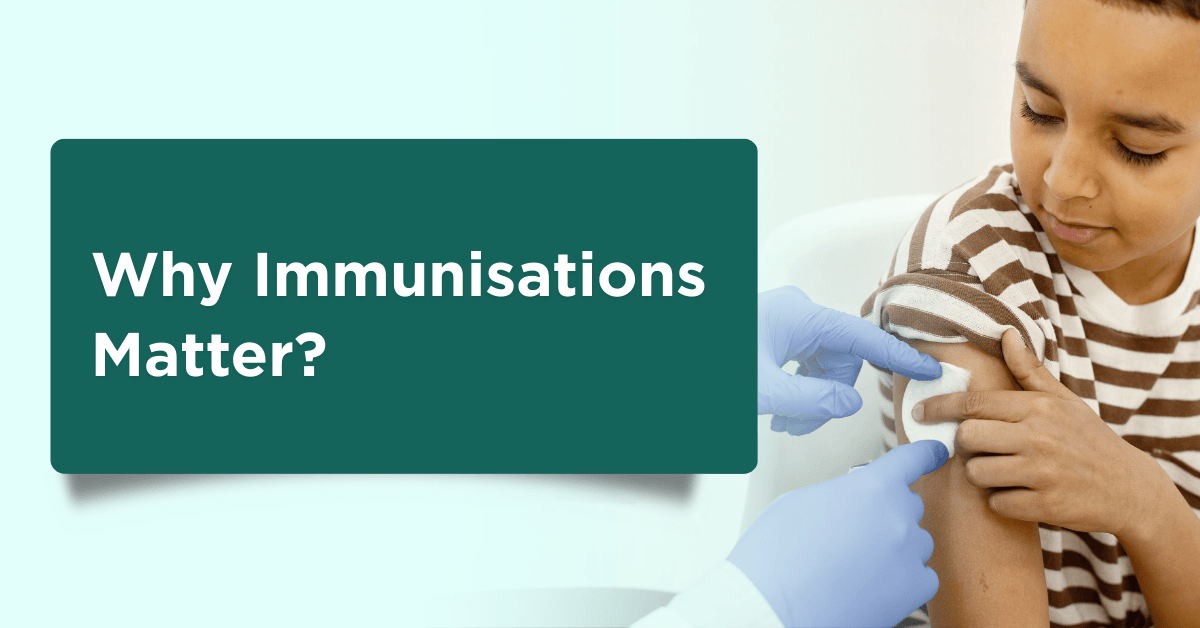
For many people, vaccines are something we receive in childhood and rarely think about again. However, immunisation remains one of the most effective ways to protect both individual health and community wellbeing.
Understanding the importance of immunisations helps people make informed decisions about protecting themselves and their families. Vaccines help prevent serious diseases, reduce the spread of infections and support public health across communities.
In Australia, routine vaccination programs have played a major role in reducing the impact of illnesses such as measles, whooping cough, polio, hepatitis B, influenza and other vaccine-preventable diseases.
For local families, immunisations Cranbourne West services can help keep children, adults and older patients up to date with recommended vaccines.
Why Vaccines Matter
Vaccines work by helping the immune system recognise and respond to harmful viruses or bacteria. When a person is vaccinated, the immune system learns how to fight a specific disease without the person needing to become seriously ill from that infection.
This is why vaccines matter. They allow the body to build protection in a safer and controlled way.
Vaccination can help prevent serious infectious diseases, reduce complications from illness, protect vulnerable members of the community and limit the spread of infections during outbreaks.
High vaccination rates also help protect people who cannot be vaccinated for medical reasons, including some people with weakened immune systems or specific medical conditions.
Cranbourne West Medical Centre provides immunisation and travel medicine services as part of its broader GP care for families in Cranbourne West and surrounding areas.
6 Reasons You Should Not Skip Vaccines
Skipping vaccines may not seem urgent when you feel healthy. However, delayed or missed vaccinations can leave you and others more vulnerable to preventable disease.
1. Vaccines Help Prevent Serious Disease
Some vaccine-preventable diseases can cause severe illness, hospitalisation or long-term complications. Measles, whooping cough, influenza, hepatitis B, tetanus and other infections can be especially serious for babies, older adults, pregnant women and people with weakened immune systems.
Vaccines reduce the risk of catching certain infections and can also reduce the risk of severe disease if infection occurs.
The goal is not only to avoid a few days of sickness. It is to reduce the chance of serious complications that may affect health, work, school and family life.
Booking immunisations Cranbourne West appointments on time can help ensure you and your family stay protected according to recommended schedules.
2. Childhood Vaccinations Protect Children Early
Routine childhood vaccinations are an essential part of preventive healthcare. Babies and young children are more vulnerable to certain infections because their immune systems are still developing.
The Australian National Immunisation Program provides recommended vaccines during infancy and early childhood to protect against diseases such as measles, mumps, rubella, whooping cough, polio, hepatitis B, pneumococcal disease and other serious infections.
These vaccines are carefully scheduled to protect children when they are most vulnerable.
Regular GP visits help ensure children receive vaccinations at the recommended times. They also give parents a chance to ask questions about side effects, fever, timing, catch-up schedules and what to expect after vaccination.
If your child is due or overdue, immunisations Cranbourne West services can help you review the schedule and plan the next steps.
3. Adults Need Vaccines Too
Vaccines are not only for children. Adults may also need immunisations throughout life.
This may include annual influenza vaccination, COVID-19 vaccination where recommended, tetanus or whooping cough boosters, shingles vaccination, pneumococcal vaccination, pregnancy-related vaccines and travel vaccines for certain destinations.
Some adults also need catch-up vaccination if they missed doses earlier in life or do not have clear vaccination records.
Adult vaccination matters because immunity can reduce over time, risks can change with age, and some infections can be passed to vulnerable people at home, work or in the community.
If you are unsure whether you are up to date, speak with your GP. A review of your vaccination history can help identify whether boosters or catch-up vaccines are needed.
4. Vaccines Help Protect Vulnerable People
Immunisation does not only protect the person receiving the vaccine. It also helps protect the wider community.
When enough people are vaccinated, it becomes harder for certain diseases to spread. This helps protect people who may not be able to receive some vaccines or who may not develop strong protection after vaccination.
This includes newborn babies, elderly people, pregnant women, people receiving cancer treatment, people with immune conditions and individuals unable to receive vaccines for medical reasons.
Skipping vaccines can increase the chance that infections spread to people at higher risk of serious illness.
Staying up to date with immunisations Cranbourne West services is one practical way to help protect both your household and your wider community.
5. Vaccination Helps Reduce Outbreaks
When vaccination rates fall, vaccine-preventable diseases can return or spread more easily. Outbreaks can disrupt schools, workplaces, aged care homes, childcare centres and healthcare settings.
Diseases such as measles are highly contagious and can spread quickly among people who are not immune.
Vaccination helps reduce the likelihood and impact of outbreaks by lowering the number of people who can catch and transmit certain infections.
This is why routine vaccination schedules and catch-up immunisations matter. They help maintain protection across the population.
If you have missed a vaccine, it is usually better to ask about catch-up options rather than assume it is too late.
6. Vaccines Are Carefully Monitored for Safety
Some people worry about vaccination risks versus benefits, especially when they encounter misinformation online.
Vaccines approved for use in Australia undergo safety assessment and ongoing monitoring. Like many medical treatments, vaccines may cause side effects, but most are mild and temporary.
Common side effects may include soreness at the injection site, mild fever, tiredness or muscle aches. Serious side effects are rare and are monitored by health authorities.
For most people, the protective benefits of vaccination outweigh the risks. However, individual advice matters. People with severe allergies, immune system conditions, pregnancy considerations or complex medical histories should discuss suitability with a GP.
Your GP can help explain vaccine benefits, risks, timing and whether any precautions apply to your situation.
The Importance of Childhood Vaccinations
Routine childhood vaccinations protect against diseases that can be severe in babies and young children.
The National Immunisation Program includes vaccines given at specific ages from birth through childhood and adolescence. These schedules are designed to protect children before they are most likely to encounter certain infections.
Children may need vaccines at birth, during infancy, before school age and during adolescence. The exact schedule can depend on age, state or territory guidance, medical risk factors and previous vaccination history.
If your child has missed a vaccine, your GP can help arrange a catch-up schedule.
Cranbourne West Medical Centre also provides children’s and paediatric services for families seeking broader GP care alongside immunisation support.
Vaccines Are Important for Adults Too
While many vaccines are given during childhood, adults may also require immunisations throughout life.
Examples include flu vaccines for seasonal influenza protection, booster vaccinations for tetanus or whooping cough, vaccinations recommended during pregnancy, shingles vaccination for eligible older adults, pneumococcal vaccination for selected groups, and travel vaccines when visiting certain countries.
Maintaining up-to-date immunisations helps adults stay protected and reduces the risk of spreading infections to others.
This is especially important for healthcare workers, childcare workers, aged care workers, travellers, pregnant women, older adults and people with chronic medical conditions.
If you are planning travel, Cranbourne West Medical Centre provides travel medicine support, including advice about destination-specific vaccination needs.
Understanding Vaccination Risks Versus Benefits
It is reasonable to ask questions about any medical treatment, including vaccines. A good decision should be based on reliable evidence rather than fear or misinformation.
The benefits of vaccination include protection against serious disease, reduced risk of complications, lower risk of hospitalisation for some infections, and reduced disease spread in the community.
Possible side effects are usually mild and short-lived, such as a sore arm, low-grade fever, tiredness or mild swelling. Serious reactions are rare, but they can occur, which is why vaccine safety is monitored and why medical screening questions are asked before vaccination.
For most people, the risk of serious harm from vaccine-preventable diseases is greater than the risk of serious vaccine side effects.
If you have concerns, speak with your GP before delaying vaccination. Your doctor can explain what is recommended, what side effects to expect, and whether any medical precautions apply.
How Immunisations Protect the Community
Community protection is one of the major benefits of vaccination. When enough people are immune, infections have fewer opportunities to spread.
This helps protect vulnerable groups such as newborn babies, older adults, people with weakened immune systems and people who cannot receive certain vaccines.
High vaccination coverage is especially important in places where people gather closely, such as schools, childcare centres, workplaces, aged care facilities and healthcare settings.
Choosing to stay up to date with immunisations Cranbourne West services is not only a personal health decision. It is also a community-minded step.
What If You Missed a Vaccine?
Missing a vaccine does not mean you should give up on protection. In many cases, catch-up vaccination can be arranged.
Your GP can review your vaccination history and advise what is needed based on your age, health status, occupation, travel plans, pregnancy status and previous records.
If you are unsure what vaccines you have had, your GP may check available records or discuss a safe catch-up plan.
This is especially important for children, teenagers, adults born overseas, people with incomplete records, and adults who have not reviewed their vaccination status for many years.
Immunisation Services in Cranbourne West
If you are due for vaccinations or would like advice about recommended immunisations, Cranbourne West Medical Centre can help.
The clinic provides vaccination support for children, adults and families as part of comprehensive preventive healthcare. This may include routine childhood vaccines, adult vaccines, flu vaccination, travel vaccination advice and catch-up immunisation planning.
You can learn more through Cranbourne West Medical Centre’s services page or book an appointment online.
If you are unsure which vaccines you need, your GP can review your health history, age, risk factors and vaccination records.
Common Myths About Vaccines
Myth 1: Vaccines Are Only for Children
Children need routine vaccines, but adults may also need boosters, flu vaccines, travel vaccines, pregnancy vaccines and age-based vaccines.
Myth 2: Natural Infection Is Better Than Vaccination
Natural infection can come with serious risks, including hospitalisation, long-term complications or death. Vaccination helps the immune system prepare without needing to experience the full disease.
Myth 3: If a Disease Is Rare, Vaccination Is No Longer Needed
Some diseases are rare because vaccination programs have been effective. If vaccination rates fall, diseases can return or spread more easily.
Myth 4: Mild Side Effects Mean the Vaccine Is Unsafe
Mild side effects such as a sore arm or low fever are common and usually short-lived. Serious side effects are rare and monitored.
Myth 5: Healthy People Do Not Need Vaccines
Healthy people can still catch and spread infections. Vaccination helps protect the individual and people around them.
Protecting Your Health and the Community
Understanding the importance of immunisations helps individuals make informed choices about their health.
Vaccines remain one of the most effective tools for preventing infectious diseases. Staying up to date with recommended vaccinations helps protect personal health and the wellbeing of the wider community.
If you have questions about vaccines or your vaccination schedule, speaking with your GP can help ensure you receive appropriate advice.
For local patients and families, immunisations Cranbourne West services can provide practical support for routine vaccines, catch-up schedules and preventive care.
Final Thoughts
Skipping vaccines can leave you and others more vulnerable to preventable disease.
Vaccination supports individual protection, community health and long-term disease prevention. It helps reduce the impact of serious infections and protects people who are more vulnerable to complications.
If you are not sure whether you or your child is up to date, book a GP appointment and ask.
A simple vaccination review can help you understand what is due, what has been missed and what protection may be needed next.
Frequently Asked Questions
Why are immunisations important?
Immunisations help protect against serious infectious diseases, reduce complications and limit the spread of infections in the community.
Are vaccines only for children?
No. Adults may also need vaccines, including flu vaccines, boosters, travel vaccines, pregnancy vaccines and age-based vaccines.
What if I missed a vaccine?
Speak with your GP. In many cases, catch-up vaccination can be arranged based on your age, health status and vaccination history.
Are vaccines safe?
Vaccines used in Australia are assessed and monitored for safety. Mild side effects can occur, but serious side effects are rare.
Where can I book immunisations Cranbourne West?
You can book immunisations Cranbourne West appointments at Cranbourne West Medical Centre for vaccine advice, routine immunisations and catch-up vaccination support.
References
https://www.health.gov.au/topics/immunisation
https://immunisationhandbook.health.gov.au
https://www.betterhealth.vic.gov.au/healthyliving/immunisation
https://www.betterhealth.vic.gov.au/health/healthyliving/vaccines