
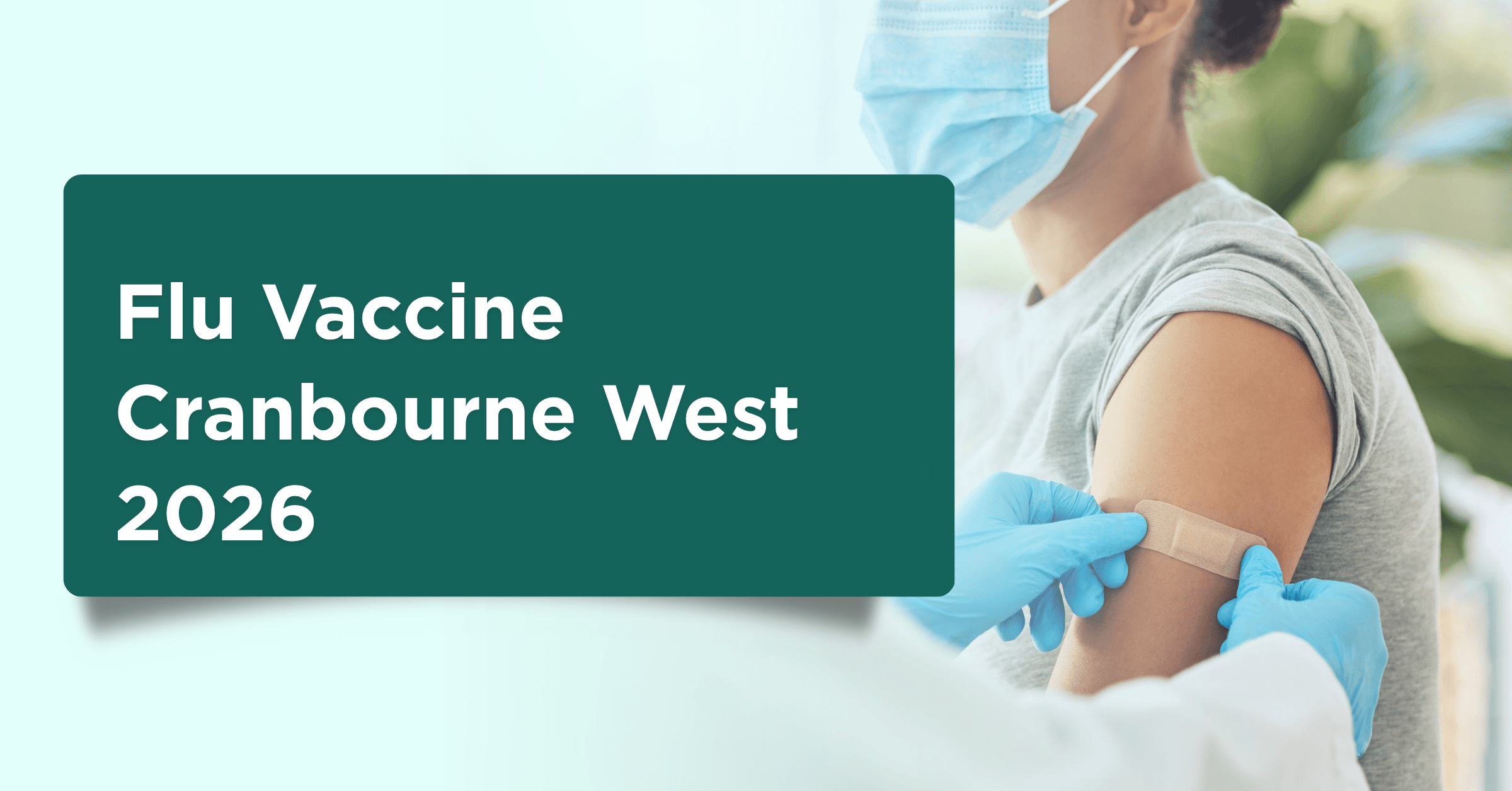
The best time to get a flu vaccine in Australia is generally from April onwards, before influenza activity peaks during winter. Annual influenza vaccination is recommended for everyone aged six months and over, with free vaccines available to eligible groups under the National Immunisation Program (NIP). If you are unsure when to get a flu vaccine, your GP can advise based on your age, health and current vaccine availability.
For residents in Cranbourne West and nearby suburbs, this guide explains the recommended timing, who may qualify for a free vaccine, common side effects and what to expect at your appointment.
When to Get a Flu Vaccine in Australia
Most people should arrange their annual flu vaccination before influenza activity increases, ideally from April onwards. Influenza commonly peaks between June and September in many parts of Australia, although the timing varies and the virus can circulate throughout the year. Protection generally takes around two weeks to develop after vaccination.
If you are wondering when to get a flu vaccine later in the season, it may still be worthwhile while influenza is circulating and an appropriate, in-date vaccine is available. Contact your healthcare provider to check availability and discuss the best timing for your circumstances.
Why Do You Need a Flu Vaccine Every Year?
Annual flu vaccination is recommended because influenza viruses change and protection can decrease over time. The vaccine is updated for each season to target strains expected to circulate, and last year’s vaccination does not replace the current year’s dose.
The vaccine reduces your chance of developing influenza and may lower the risk of severe illness and complications. However, it does not provide complete protection and cannot prevent every respiratory infection.
Who Should Get the Flu Vaccine?
Annual influenza vaccination is recommended for everyone aged six months and over, with particular importance for people at higher risk of severe illness. These groups include young children, adults aged 65 and over, pregnant women, Aboriginal and Torres Strait Islander people, and people with certain medical conditions.
People with asthma, diabetes, heart or lung disease, kidney conditions or weakened immune systems may be at increased risk of complications. Healthcare workers, carers and people living with vulnerable individuals should also discuss vaccination with their healthcare provider.
If you are uncertain when to get a flu vaccine for yourself or your child, a GP can review your medical history and advise on the appropriate vaccine.
Who Is Eligible for a Free Flu Vaccine in 2026?
The National Immunisation Program funds annual flu vaccination for specific eligible groups. These generally include:
- Children aged six months to under five years.
- Pregnant women at any stage of pregnancy.
- Adults aged 65 years and over.
- Aboriginal and Torres Strait Islander people aged six months and over.
- People aged six months and over with certain medical conditions that increase the risk of severe influenza.
Eligibility and vaccine options can depend on current program requirements. If you are not eligible for a funded vaccine, a private vaccine fee may apply. Confirm the current cost and eligibility with the clinic before booking.
What Side Effects Can You Expect?
Most flu vaccine side effects are mild and temporary. After an injection, you may experience a sore arm, redness at the injection site, tiredness, headache, muscle aches or a mild fever. These reactions usually settle within a few days.
If you are considering when to get a flu vaccine, it is helpful to know that the standard injected influenza vaccine cannot cause influenza because it does not contain live influenza virus. Serious allergic reactions are rare, but tell your healthcare provider about any previous severe vaccine reactions or relevant medical concerns before vaccination.
Can Children Get the Flu Vaccine?
Influenza vaccination is recommended for children aged six months and over, and children under five are eligible for a free vaccine through the NIP. Young children can be more vulnerable to influenza complications, so parents should check their child’s vaccination history and discuss when to get a flu vaccine and the appropriate dose schedule with their GP.
Some children receiving influenza vaccination for the first time may need two doses at least four weeks apart, depending on their age and medical history. Cranbourne West Medical Centre provides children’s health services to support families with vaccination and other healthcare needs.
Is the Flu Vaccine Recommended During Pregnancy?
Yes, influenza vaccination is recommended during pregnancy and can be given at any stage. Pregnant women have a higher risk of complications from influenza, and vaccination also helps provide protection to newborn babies during their first months of life.
The flu vaccine is funded under the National Immunisation Program (NIP) for eligible pregnant women. If you are unsure when to get a flu vaccine during pregnancy, discuss the timing and any questions with your GP or antenatal care provider.
Can You Get the Flu Vaccine With the COVID-19 Vaccine?
The flu vaccine can generally be given on the same day as a COVID-19 vaccine when both are appropriate for the person. Your healthcare provider can review your vaccine history, medical circumstances and current recommendations to confirm the best approach.
If you are planning to receive more than one vaccine, ask about co-administration when arranging your appointment.
What If You Have an Egg Allergy or Previous Vaccine Reaction?
If you are unsure when to get a flu vaccine because of an egg allergy or previous vaccine reaction, speak with your GP before vaccination. Most people with an egg allergy can receive an appropriate influenza vaccine, but your healthcare provider should review your medical history and advise on suitable options and precautions.
Do not assume you cannot be vaccinated without discussing your history with a qualified healthcare professional.
How to Book a Flu Vaccine in Cranbourne West
Cranbourne West Medical Centre provides flu vaccination services for eligible patients and people arranging a privately funded vaccine. If you are checking when to get a flu vaccine, contact the clinic to confirm current vaccine availability, eligibility, fees and appointment options.
Before your appointment:
- Bring your Medicare card and any relevant concession or immunisation records.
- Tell the provider about allergies, previous vaccine reactions and significant medical conditions.
- Ask whether you qualify for a funded vaccine or whether a private fee applies.
- Follow the clinic’s advice about observation after vaccination.
You can review the clinic’s flu vaccination service or its broader immunisation services for further information.
Call (03) 7017 5932 or use the clinic website to enquire about an appointment. The clinic also offers allied health support, including physiotherapy, podiatry, dietetics and psychology, for other healthcare needs.
Common Flu Vaccine Myths
Understanding the facts about influenza vaccination can help you make an informed decision. The vaccine does not protect against every winter virus, and getting vaccinated does not guarantee that you will never catch influenza. However, vaccination can reduce the risk of influenza and serious complications.
- Myth: The injected flu vaccine gives you the flu. The standard injection does not contain live influenza virus.
- Myth: Healthy people do not need vaccination. Influenza can affect people of any health status, and annual vaccination is recommended from six months of age.
- Myth: Last year’s vaccine is enough. Annual vaccination is recommended because the vaccine formulation changes and protection can wane.
- Myth: It is too late after winter begins. Vaccination may still be useful while influenza is circulating and a suitable vaccine remains available.
Key Takeaways
- Arrange annual flu vaccination before the influenza season where possible.
- If you are deciding when to get a flu vaccine later in the year, check whether influenza is still circulating and whether a suitable vaccine is available.
- Free vaccination is available to eligible groups under the National Immunisation Program.
- Children, pregnant women, older adults and people with certain medical conditions should discuss their vaccination needs with a healthcare professional.
- Check vaccine availability, eligibility and fees before booking.
FAQs
When to Get a Flu Vaccine: Which Month Is Best in Australia?
April or May is generally a suitable time to consider when to get a flu vaccine in Australia, as vaccination before winter allows time for protection to develop. Vaccination may still be worthwhile later in the season while influenza is circulating.
Does the flu vaccine take time to work?
Yes. When considering when to get a flu vaccine, remember that it generally takes around two weeks for protection to develop after vaccination. Getting vaccinated before influenza activity increases gives your immune system time to respond.
Can I get a flu vaccine if I have already had influenza this year?
Yes, you may still benefit from vaccination. Understanding when to get a flu vaccine after having influenza is important because infection with one strain does not necessarily protect you against other strains. Ask your GP about the appropriate timing for your circumstances.
Is the flu vaccine free for children?
Yes. Children aged six months to under five years are eligible for a free influenza vaccine under Australia’s National Immunisation Program. If you are deciding when to get a flu vaccine for your child, your healthcare provider can advise on the recommended schedule, including whether two doses are needed.
Where can I ask when to get a flu vaccine in Cranbourne West?
Contact Cranbourne West Medical Centre on (03) 7017 5932 or visit the clinic’s flu vaccination service page to enquire about availability, eligibility and fees.
References
- https://immunisationhandbook.health.gov.au/influenza-flu
- https://www.health.gov.au/resources/publications/atagi-statement-on-the-administration-of-seasonal-influenza-vaccines-in-2026
- https://www.health.gov.au/topics/immunisation/when-to-get-vaccinated/national-immunisation-program-schedule
- https://www.tga.gov.au/resources/publication/corporate-reports/2026-seasonal-influenza-vaccines
- https://www.health.vic.gov.au/immunisation/seasonal-influenza-vaccine
- https://www.health.gov.au/sites/default/files/2026-02/2026-influenza-flu-vaccination-consumer-fact-sheet_0.pdf
- https://www.who.int/news-room/fact-sheets/detail/influenza-(seasonal)