Blood tests are among the most commonly used medical investigations, but if you’ve ever looked at a pathology request form filled with abbreviations, you may have wondered: What exactly is my doctor testing for?
Blood tests can provide useful information about many aspects of your health. They may be used to investigate symptoms, help diagnose certain conditions, monitor an existing health problem, assess how treatment is working, or check levels of particular medicines and nutrients.
But not every blood test requires the same preparation, and a result marked “high” or “low” doesn’t necessarily mean something is wrong.
If you’ve been referred for blood tests in Cranbourne West, here’s what to know about preparation, collection, safety, results and follow-up.
What Is a Blood Test?
A blood test is a type of pathology test in which a small sample of blood is collected and analysed in a laboratory.
Blood contains cells, proteins, hormones, nutrients, electrolytes, and many other substances that can provide information about how different parts of your body function.
Depending on the test ordered, blood testing may help your doctor:
- Investigate symptoms
- Check for anaemia
- Detect or investigate infections
- Assess vitamin or mineral deficiencies
- Monitor diabetes
- Assess kidney or liver function
- Measure cholesterol and other blood lipids
- Check thyroid function
- Monitor certain medicines
- Investigate inflammation
- Monitor an existing medical condition
- Assess response to treatment
Blood tests can provide valuable clinical information, but they are generally interpreted alongside your symptoms, medical history, examination, and other relevant investigations rather than in isolation.
Why Has My GP Ordered a Blood Test?
Your GP may recommend a blood test for several different reasons. The purpose is usually to investigate symptoms, help assess a possible health condition, monitor an existing condition, or check how your body is responding to treatment.
The specific tests requested depend on your symptoms, medical history, age, medications, risk factors and the clinical question your GP is trying to answer.
To Investigate Symptoms
Your GP may recommend pathology testing if you have symptoms such as:
- Persistent tiredness
- Unexplained weight changes
- Dizziness
- Weakness
- Increased thirst or urination
- Persistent fever
- Unexplained bruising
- Changes in general health
The tests ordered will depend on what your GP is investigating.
To Help Diagnose a Condition
Blood testing may contribute to diagnosing conditions such as anaemia, diabetes, and some infections or nutritional deficiencies.
However, one abnormal result doesn’t necessarily establish a diagnosis. Your GP may need to consider other information or arrange further testing.
To Monitor an Existing Condition
People living with certain chronic conditions may have regular testing.
For example, HbA1c testing can be used to monitor longer-term blood glucose control in people with diabetes.
To Monitor Treatment
Some medicines and treatments can affect organs, blood cells, or levels of substances in your blood.
Testing may therefore be used to monitor whether treatment is working or whether further clinical review is needed.
What Are the Most Common Types of Blood Testing?
There isn’t one universal “blood test.” Different tests measure different things.
Your GP chooses investigations according to the clinical question they are trying to answer.
Full Blood Count
A full blood count, or FBC, measures different cells in your blood, including:
- Red blood cells
- White blood cells
- Platelets
It can provide information relevant to conditions including anaemia, infection, blood disorders, and clotting problems.
Blood Glucose
A blood glucose test measures the amount of glucose in your blood.
It can be used when investigating or monitoring diabetes and may be performed fasting or non-fasting depending on the test required.
HbA1c
An HbA1c test provides information about average blood glucose levels over the preceding few months and is commonly used to diagnose or monitor diabetes in appropriate circumstances.
Unlike some glucose tests, HbA1c does not normally require fasting.
Cholesterol and Lipid Tests
These tests assess fats in the blood and can contribute to cardiovascular risk assessment.
They can include measurements such as:
- Total cholesterol
- LDL cholesterol
- HDL cholesterol
- Triglycerides
Both fasting and non-fasting lipid tests can be appropriate, depending on the clinical situation and instructions provided.
Kidney Function Tests
Blood testing can help assess how well your kidneys function by measuring substances such as creatinine and estimating kidney filtration.
Liver Function Tests
Liver-related blood tests measure substances such as enzymes and proteins that can provide information relevant to liver and biliary health.
Thyroid Function Tests
These tests measure thyroid-related hormones and may be ordered when investigating symptoms or monitoring a known thyroid condition.
Iron, Vitamin B12 and Folate
These tests may be ordered when investigating anaemia, nutritional deficiencies, or certain symptoms.
Other blood tests can measure hormones, inflammatory markers, medicines, cardiac markers, and many other substances.
Do You Need to Fast Before a Blood Test?
Not always. One of the most common misconceptions about blood test preparation is that you should automatically fast before every test.
Many tests do not require fasting.
A full blood count, for example, normally requires no special preparation. HbA1c testing also doesn’t generally require fasting.
Some tests, however, may require fasting or other preparation.
Healthdirect notes that fasting may be requested for certain blood glucose tests, some cholesterol tests, and particular hormone tests.
The safest approach is simple: follow the instructions given by your GP or pathology provider.
What Does Fasting a Blood Test Mean?
If you’ve specifically been instructed to have a fasting blood test, you will generally need to avoid food for a specified period.
Healthdirect advises that fasting blood tests are generally performed after at least 8 hours and no more than 16 hours of fasting, with many people fasting overnight for approximately 10–12 hours. Plain water is usually allowed for fasting blood tests, but you should follow the instructions for your test.
During a fasting period, you may be told to avoid:
- Food
- Coffee
- Tea
- Milk
- Soft drinks
- Cordial
- Lollies
- Chewing gum
Don’t assume that black coffee or tea is acceptable just because it doesn’t contain milk. Follow the instructions you’ve been given.
Can You Take Your Medicines Before a Blood Test?
Usually, you should continue taking prescribed medicines unless your doctor has specifically told you otherwise.
Some tests may require changes when certain medicines or supplements are taken, but this should be done under professional guidance.
Healthdirect advises patients to continue medicines while fasting unless their doctor instructs them not to and to tell their healthcare professional about prescription, over the counter and complementary medicines or supplements.
Do not stop prescribed medicine simply because you are having a blood test. If you’re unsure, check with your GP or pathology collection centre before the test.
What If You Have Diabetes and Need Fast?
Fasting requires additional consideration for people with diabetes because it can increase the risk of low blood glucose in some circumstances.
Healthdirect recommends speaking with your doctor before fasting if you have diabetes. You may require individual instructions regarding medicines, insulin, blood glucose monitoring, and what to do if your blood glucose becomes low.
Don’t independently change your diabetes medicines or insulin dose simply because you’ve been told to fast.
What If You Are Pregnant or Breastfeeding?
Pregnancy doesn’t prevent you from having blood tests, and blood testing forms part of routine care during pregnancy.
However, if you’ve been instructed to fast, such as for certain glucose testing, ask your healthcare professional for specific instructions.
Healthdirect recommends discussing safe fasting with your doctor if you are pregnant or breastfeeding.
What Happens During a Blood Test?
Most blood tests are relatively quick.
Before collecting your blood, staff will generally confirm your identity and check the details on your pathology request.
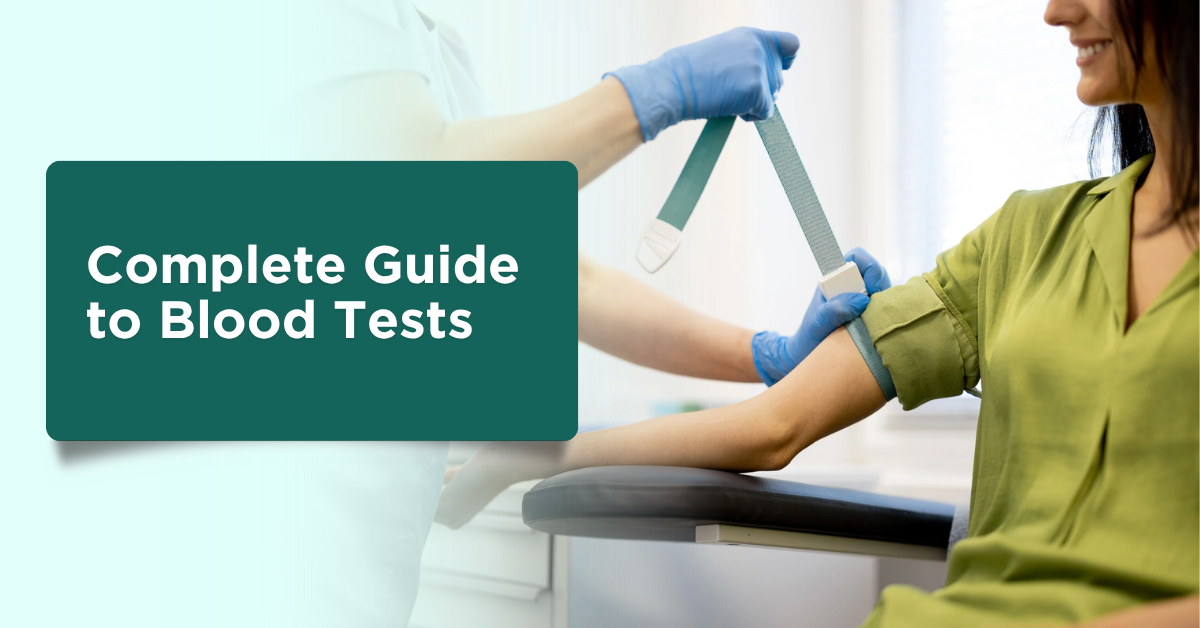
A trained healthcare professional or phlebotomist will usually:
- Position your arm comfortably.
- Place a tourniquet around the upper arm to make the veins easier to locate.
- Clean the collection area where appropriate.
- Insert a needle into a vein, usually in your arm.
- Collect blood into one or more tubes.
- Remove the needle.
- Ask you to apply pressure to the collection site.
The samples are then sent to a pathology laboratory for analysis.
Although several tubes may sometimes be required, only a relatively small amount of blood is collected for routine pathology testing.
Why Are Several Tubes of Blood Collected?
Different tests may require different types of sample tubes. The tubes can contain different additives or be designed to prepare the blood in different ways for laboratory analysis.
So, seeing several tubes doesn’t necessarily mean something serious is being investigated.
It may simply mean your doctor has ordered several different tests that require different laboratory preparations.
Is Blood Testing Safe?
For most people, routine blood test safety risks are minor. Healthdirect describes blood tests as safe, although temporary side effects can occur.
These can include:
- Mild discomfort when the needle is inserted
- Bruising
- Minor bleeding at the collection site
- Light-headedness
- Fainting
Bruising is one of the most common side effects.
After the needle is removed, applying pressure until bleeding stops and avoiding heavy use of the arm for a period can help reduce bruising.
If you take blood-thinning medicines or have a bleeding or clotting disorder, tell the person to collect your blood.
What If You’re Afraid of Needles?
Needle anxiety is common, and there is no reason to feel embarrassed about telling the pathology collector.
If you’ve previously become dizzy or fainted during a blood test, mention it before the sample is taken.
Healthdirect advises that people prone to feeling faint may be able to have their blood collected while lying down. Remaining seated afterward and standing up slowly can also help if you feel light-headed.
You may also find it helpful to:
- Look away from the needle
- Use slow breathing
- Tell the collector you’re anxious
- Avoid watching the collection
- Ask questions before the procedure
Your healthcare team can help make the process more manageable.
What If the Collector Has Difficulty Finding a Vein?
Some people’s veins are more difficult to access than others.
This can be related to individual anatomy, health conditions, and other factors.
Unless you’ve been given fluid restrictions or specific fasting instructions, being appropriately hydrated can sometimes make collection easier. Staying warm and taking a short walk beforehand may also help blood flow.
Always follow the preparation instructions for your particular test rather than increasing food or fluid intake without checking.
How Long Does a Blood Test Take?
The actual blood collection often takes only a few minutes.
You may spend longer at the collection centre if there is a queue or if you require a specialised test.
Some tests also involve multiple samples over a period, for example, an oral glucose tolerance test, so ask beforehand if you’re unsure how long you will need to stay.
How Long Do Blood Test Results Take?
Many common blood test results are available relatively quickly.
Healthdirect states that results for many common blood tests are available within 1–2 days, although some specialised tests take longer.
Timing depends on:
- Which tests were ordered
- Laboratory processing requirements
- Whether specialised analysis is required
- Where the sample is processed
Ask your GP or pathology provider when your results are expected and how they will be communicated.
Can You Access Blood Test Online Results?
Depending on the pathology provider and healthcare systems involved, patients may have access to blood test online results or receive copies through other electronic health services.
However, seeing the numbers isn’t necessarily the same as understanding them.
Healthdirect recommends discussing pathology results with the doctor who ordered the test because interpretation depends on factors including your age, sex, overall health, reason for testing, lifestyle, medicines and treatments.
If your online report contains a value highlighted in red or marked “high” or “low”, avoid assuming the worst before discussing it with your GP.
What Does the Reference Range Mean?
Many pathology reports show a reference interval or reference range beside the result. This represents a range typically observed within a reference population.
However, reference intervals are not absolute boundaries between “healthy” and “unhealthy”.
Healthdirect notes that a result outside a reference interval does not automatically mean there is a medical problem. Likewise, a result within the range does not always rule one out. Your doctor considers the result in context.
For example, they may look at:
- Why the test was ordered
- Your symptoms
- Previous results
- Changes over time
- Other blood results
- Medical conditions
- Medicines
- Family history
- Other investigations
This is why searching individual numbers online can sometimes create unnecessary concerns. If you want to learn more about how pathology results are interpreted, read our guide to understanding your blood test results and what different findings may mean
What Does It Mean If a Blood Test Is Abnormal?
An abnormal result can mean many things.
It may indicate a medical condition, but it can also be influenced by other factors or represent a variation that isn’t clinically significant for you.
Your GP may:
- Explain that no further action is needed
- Repeat the test
- Request additional blood tests
- Arrange another investigation
- Review your medicines
- Recommend lifestyle changes
- Discuss treatment
- Refer you to another healthcare professional
Blood tests are generally reliable, but no diagnostic test is perfect. False-positive and false-negative results can occur.
The result should therefore be interpreted as part of your overall clinical picture.
Does a Normal Blood Test Mean You’re Completely Healthy?
Not necessarily. These tests only measure the specific things that were requested.
A normal full blood count, for example, does not automatically exclude every possible health condition. If you’re experiencing persistent or concerning symptoms despite normal results, return to your GP. Further assessment may sometimes be appropriate.
Do You Need a GP Referral for Pathology Testing?
In Australia, pathology testing is usually requested by an authorised healthcare practitioner.
Healthdirect notes that patients generally receive a pathology request from their doctor and take it to a pathology collection centre.
Your GP can determine which tests are clinically appropriate based on your symptoms, medical history, and preventive healthcare needs.
More testing isn’t automatically better.
Unnecessary testing can sometimes produce incidental or borderline results that lead to further investigations without providing meaningful health benefits.
Are Blood Tests Covered by Medicare?
Many commonly requested pathology tests are eligible for Medicare benefits when they meet applicable requirements, and many services are bulk billed.
However, not every test is necessarily fully covered by Medicare, and fees can depend on the test, eligibility and pathology provider. Healthdirect advises patients to ask about costs and Medicare coverage when arranging testing.
If cost is a concern, ask your GP or pathology provider whether:
- The requested tests are Medicare eligible
- The pathology provider bulk bills
- Any out-of-pocket fees may apply
Checking beforehand can help avoid unexpected costs.
Can You Request Any Blood Test You Want?
You can certainly discuss a test you’re interested in with your GP.
However, your GP may not recommend every test requested.
Testing should generally have a clinical purpose, such as investigating symptoms, screening an appropriate population, monitoring a condition, or assessing a relevant risk.
Your GP can explain:
- What a test measure
- Whether it is appropriate for you
- Potential limitations
- Whether preparation is required
- What the results could mean
- Whether Medicare eligibility applies
This approach helps ensure testing is targeted to your individual healthcare needs.
Searching for “Blood Tests Near Me”? Know What to Check First
If you’ve received a pathology request and are searching for blood tests near me, there are a few practical things worth checking before heading to a collection centre.
Ask:
- Does this test require fasting?
- Do I need an appointment?
- Is this particular test collected at this location?
- What time should the sample be collected?
- Do I need to bring my pathology request?
- Is there a fee?
- When should I expect the results?
- Do I need a follow-up appointment with my GP?
Healthdirect notes that many standard standard tests don’t require a pathology collection appointment, although some specialised tests may require advance booking or may not be available at every collection centre.
Checking first can save an unnecessary trip.
Why Follow-Up with Your GP Matters
Getting your blood collected is only one part of the process.
Understanding what the results mean, and whether anything needs to happen next, is equally important.
Your GP can review your results alongside:
- Your symptoms
- Medical history
- Previous pathology results
- Medicines and supplements
- Other investigations
- Relevant risk factors
Depending on the findings, no further action may be required, or your GP may recommend monitoring, treatment, repeat testing, or further assessment.
Don’t assume that “no news is good news” unless your clinic has specifically explained how results will be communicated. Ask when and how you should receive your results.
Blood Test Support in Cranbourne West
Cranbourne West Medical Centre can help patients understand the role of blood testing, including why particular tests may be requested, how to prepare, and what follow-up may be needed after testing.
These investigations can provide valuable information about your health, from investigating symptoms and checking deficiencies to monitoring chronic conditions and assessing how treatment is working. However, getting useful information from pathology involves more than simply having a sample collected.
Correct blood test preparation, appropriate testing and professional interpretation of the results all matter. Not every test requires fasting, and an abnormal result does not necessarily indicate disease. Results also need to be considered alongside your symptoms, medical history and individual health circumstances.
If your GP has recommended blood testing, make sure you understand any preparation instructions and how your results will be followed up. For patients in Cranbourne West and surrounding areas, contact Cranbourne West Medical Centre to ask about available pathology services, blood test collection and GP follow-up care
FAQs
Can I drink water before a blood test?
Often, yes. Plain water is usually allowed during fasting for many blood tests, but preparation varies. Follow the specific instructions given by your doctor or pathology provider.
Can I drink coffee before a fasting blood test?
If you’ve been instructed to fast, Healthdirect advises avoiding coffee, tea, milk, soft drinks and other beverages except plain water unless specifically instructed otherwise.
Do all cholesterol tests require fasting?
No. Both fasting and non-fasting cholesterol and lipid tests can be suitable. Your doctor will tell you if fasting is required for your particular circumstances.
Do I need to fast for a full blood count?
A full blood count generally requires no special preparation. However, if other tests are being performed at the same time, those tests may require preparation.
Is bruising after a blood test normal?
Mild bruising can occur and is one of the most common side effects of blood collection. If you develop significant or worsening swelling, bleeding or another concerning symptoms, seek medical advice.
Why is my blood test result marked high or low?
Laboratories compare many results with reference intervals. Being slightly outside a reference interval does not automatically mean you have a health problem. Your GP can interpret the result in the context of your individual health.
Can I see my blood test results online?
Electronic access may be available depending on the pathology provider and healthcare systems used. Even when you can view results online, discuss their meaning with the healthcare professional who ordered them rather than interpreting individual values by themselves.
How quickly will my GP receive the results?
Many common blood tests are available within 1–2 days, but specialised tests may take longer. Ask your GP or pathology provider when your particular results are expected. Contact Cranbourne West Medical Centre to ask about available pathology services and blood test follow-up.
References
Healthdirect Australia – Guide to Blood Testing
Healthdirect Australia – Understanding Pathology Tests
Healthdirect Australia – Fasting for Medical Tests
Healthdirect Australia – Full Blood Count