Pathology tests are one of the most important tools doctors use to diagnose, monitor and manage health conditions. If your GP has recommended a pathology test, you may be wondering what the process involves and what to expect during your visit.
The good news is that most diagnostic testing procedures are quick, routine and designed to help doctors gather important information about your health. Understanding the process can help patients feel more comfortable and prepared before their appointment.
For local patients, pathology services Cranbourne West can make testing more convenient by allowing eligible tests to be completed close to your GP clinic.
What Is Pathology?
Pathology refers to the medical testing of blood, urine, tissue or other samples to help identify disease, monitor health conditions or guide treatment decisions.
Doctors use pathology tests to diagnose illnesses, monitor chronic conditions, check organ function, detect infections, assess medication effects and review general health through routine screening.
These tests provide valuable information that cannot always be detected through physical examination alone. For example, a person may feel well but still have high cholesterol, abnormal blood glucose, low iron, thyroid changes or early signs of infection.
A GP may recommend pathology services Cranbourne West when test results are needed to support diagnosis, prevention or ongoing care.
Why Pathology Tests Matter
Pathology tests help doctors move from guessing to evidence-based decision-making. Symptoms such as fatigue, dizziness, pain, fever, weight changes or shortness of breath can have many possible causes.
Testing can help narrow those possibilities and guide the next step.
Pathology is also important for preventive healthcare. Blood tests may detect risk factors before symptoms appear, such as diabetes risk, high cholesterol, kidney changes or nutritional deficiencies.
For people already diagnosed with a condition, pathology tests can help monitor progress and treatment safety.
Cranbourne West Medical Centre provides local pathology and blood test services through on-site collection for patient convenience.
6 Patient Facts About Pathology Testing
Pathology testing is usually simple, but knowing what to expect can reduce uncertainty.
1. Pathology Tests Can Use Different Sample Types
Pathology is not limited to blood tests. Depending on what your GP is investigating, testing may involve blood, urine, swabs, stool samples, tissue samples or other specimens.
Blood tests are commonly used to check cholesterol, blood sugar, iron levels, thyroid function, liver function, kidney function, inflammation, infection markers, hormones and blood cell counts.
Urine tests may help assess kidney function, detect urinary infections, monitor pregnancy-related concerns or check certain metabolic conditions.
Swabs may be taken from the throat, nose, skin, wounds or intimate areas to identify infections or bacteria.
Each sample type provides different information, and your GP will choose the test based on your symptoms, medical history and health goals.
2. Blood Tests Are Usually Quick
A blood test procedure usually takes only a few minutes. A pathology collector will confirm your details, check the request form and explain the process.
The skin is cleaned, usually on the inside of the elbow or another suitable site. A small needle is inserted into a vein, and blood is collected into one or more tubes. Once the sample is collected, the needle is removed and a small dressing is applied.
Most people experience only mild discomfort, such as a brief pinch or pressure. Some people may feel nervous, light-headed or faint, especially if they dislike needles.
If you are anxious about blood tests, tell the collector before the procedure. They can help you feel more comfortable and may suggest lying down during collection.
3. Some Tests Need Preparation
Preparation depends on the test your GP has requested. Some tests require no preparation at all, while others may need specific instructions.
You may be asked to fast for several hours before certain blood tests, provide a morning urine sample, avoid strenuous exercise, delay a medication until after testing, or collect a sample at a specific time of day.
Do not stop prescribed medication unless your GP or healthcare provider specifically advises you to do so.
If you are unsure about preparation, contact the clinic or pathology collection service before your appointment. Correct preparation helps make results more accurate.
When booking or attending pathology services Cranbourne West, bring your request form and follow any instructions provided by your GP.
4. Results Are Sent to Your Doctor
After collection, your sample is sent to a laboratory for analysis. The results are then reported back to the doctor or healthcare provider who requested the test.
Many routine blood test results are available within one to three days, although timing can vary. More specialised tests may take longer.
Your GP will review the results in the context of your symptoms, medical history, medications and previous tests.
It is important not to interpret results in isolation. Some results may be slightly outside the reference range without being clinically serious, while others may require follow-up even if symptoms are mild.
Your doctor can explain what the results mean and whether treatment, repeat testing or further investigation is needed.
5. On-Site Pathology Can Make Testing Easier
Searching online for a pathology lab near me often means patients want convenient access to testing.
Clinics with on-site pathology collection can reduce travel between appointments, allow faster sample collection after GP consultations, improve coordination between doctors and laboratory services, and make it easier for patients to complete tests promptly.
This can be especially helpful for people managing chronic conditions, needing regular blood tests, completing pre-operative bloods, or following up after a GP consultation.
Cranbourne West Medical Centre offers on-site pathology operated by Australian Clinical Labs, helping patients access collection services within the clinic environment.
6. Pathology Supports Better Ongoing Care
Pathology tests do more than diagnose illness once. They are also used to monitor long-term health.
For example, people with diabetes may need HbA1c tests to monitor blood glucose control. People taking certain medications may need liver, kidney or blood count monitoring. Patients with iron deficiency may need repeat blood tests after treatment.
Pathology can also help track cholesterol, thyroid function, inflammation, hormone levels, vitamin levels and chronic disease markers over time.
For patients with ongoing conditions, pathology services Cranbourne West can form part of a broader care plan with your GP.
Cranbourne West Medical Centre also provides chronic disease management support for patients who need regular monitoring and coordinated care.
Common Types of Pathology Tests
Pathology covers a wide range of laboratory tests. Some are used for diagnosis, while others are used for screening or monitoring.
Blood Tests
A blood test procedure involves collecting a small sample of blood from a vein, usually in the arm. Blood tests can help check cholesterol levels, blood sugar, hormone levels, iron stores, inflammation, infection, organ function and blood cell counts.
Common examples include full blood count, liver function tests, kidney function tests, thyroid tests, iron studies, cholesterol tests and HbA1c.
Urine Tests
Urine samples may be used to assess kidney function, detect urinary tract infections, check pregnancy-related concerns or monitor certain medical conditions.
Some urine tests can be completed in the clinic, while others may be sent to a laboratory for more detailed analysis.
Swabs and Other Samples
Swabs from the throat, nose, skin, wounds or other areas may be collected to identify infections, viruses, bacteria or other causes of symptoms.
Other samples, such as stool samples or tissue samples, may be requested depending on the condition being investigated.
Each type of diagnostic testing provides different information to help guide medical decisions.
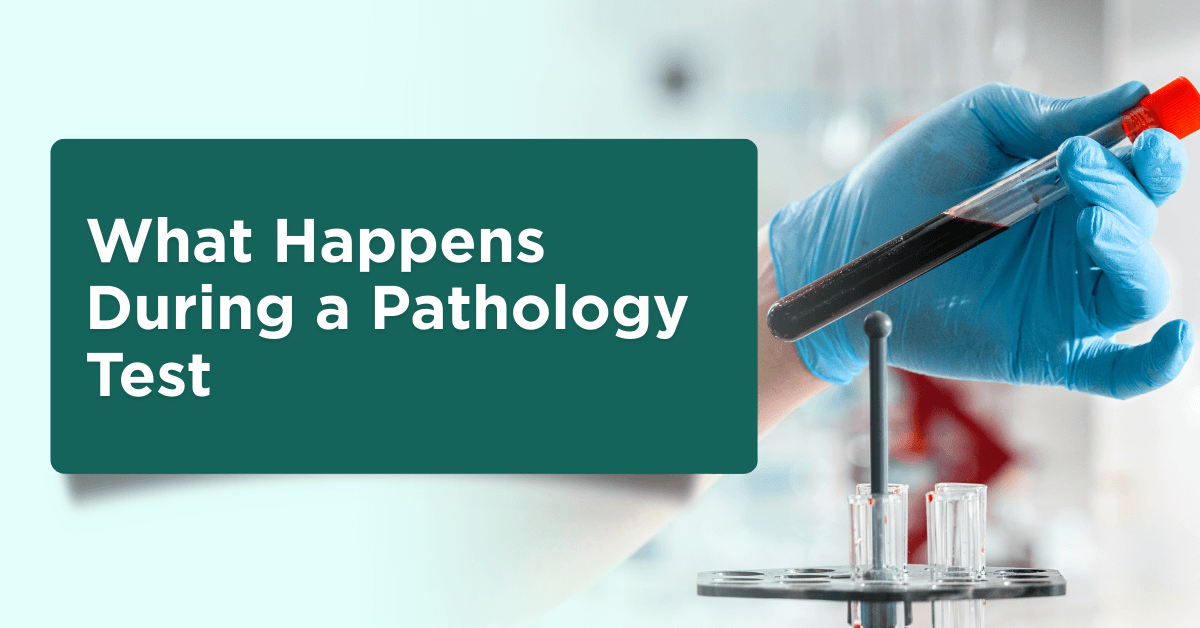
What Happens During a Blood Test Procedure?
If your doctor has ordered a blood test, the process is usually straightforward.
First, the healthcare professional confirms your identity and checks the test request. This helps ensure the right tests are collected and labelled correctly.
Next, the collection site is cleaned to reduce the risk of infection. A tourniquet may be placed around your upper arm to make the vein easier to locate.
A small needle is inserted into the vein, and blood is collected into tubes. After the sample is collected, the needle is removed, pressure is applied and a small bandage is placed over the site.
Most people can return to normal activities soon after, although it is usually best to avoid heavy lifting with that arm for a short period if advised.
Do You Need to Prepare for a Pathology Test?
Preparation depends on the type of test requested.
Some tests may require fasting for several hours. Others may require a morning sample, timed collection, medication instructions or avoiding certain activities before testing.
Your GP or pathology staff will tell you if preparation is necessary before your pathology appointment.
If you were not given instructions, ask before the test rather than guessing.
Fasting means not eating for a certain period, but water is usually allowed unless you are told otherwise. Continue taking medications unless your doctor advises differently.
How Long Do Results Take?
The time required for results varies depending on the type of diagnostic testing performed.
Many routine blood test results may be available within one to three days. More specialised tests, cultures, genetic tests or complex investigations may take longer.
Your doctor will review the results and discuss them with you during a follow-up consultation if required.
If results are urgent or significantly abnormal, the clinic may contact you sooner. However, it is still important to book follow-up as recommended.
If you have not heard back and are unsure whether your results have arrived, contact the clinic for advice.
Pathology Services in Cranbourne West
If your doctor recommends testing, you can access pathology services in Cranbourne West through Cranbourne West Medical Centre’s on-site collection service.
The clinic’s pathology service supports common blood tests, urine collection, swabs, ECG and selected other tests depending on the request and availability.
On-site testing can be especially helpful if your GP recommends blood tests during a consultation, because you may be able to complete the collection without travelling to a separate location.
You can learn more through Cranbourne West Medical Centre’s Pathology & Blood Tests page or book an appointment with a GP to discuss your health concerns.
What If You Feel Nervous About Testing?
It is common to feel nervous before a blood test, especially if you dislike needles or have had a bad experience in the past.
Let the pathology collector know if you feel anxious, faint or unwell. They can support you, allow you to sit or lie down, and explain each step.
You may also find it helpful to look away, focus on slow breathing, bring a support person if allowed, drink water beforehand if permitted, and eat after the test if you were fasting.
Pathology staff collect samples every day and are used to helping patients feel more comfortable.
What Happens If a Result Is Abnormal?
An abnormal result does not always mean something serious. Results can be affected by timing, recent illness, medications, hydration, fasting status, exercise or normal variation.
Your GP will interpret the result in context.
Sometimes the next step is simply repeating the test. In other cases, your doctor may recommend lifestyle changes, medication, further testing, imaging, referral or monitoring.
It is important not to panic or search online without medical guidance. Pathology results are best understood with your doctor’s explanation.
Supporting Accurate Diagnosis and Care
Pathology tests play a crucial role in modern healthcare. They allow doctors to detect health concerns early, confirm diagnoses and monitor ongoing treatment.
Although the idea of testing can sometimes feel stressful, most blood test procedures and other pathology services are quick, safe and routine.
If your GP recommends a pathology test, completing it promptly helps ensure you receive the most accurate and effective care.
For local patients, pathology services Cranbourne West can help make this process easier, more convenient and better connected to your GP care.
Final Thoughts
Pathology tests are a routine but powerful part of healthcare. They help doctors diagnose illness, monitor treatment, assess risk factors and guide preventive care.
Most tests are quick, straightforward and designed to gather information that supports better decisions.
If you have been referred for diagnostic testing, knowing what to expect can make the process feel less stressful.
Cranbourne West Medical Centre provides convenient on-site pathology collection for patients who need blood tests, urine tests, swabs and related investigations after GP referral.
Frequently Asked Questions
What is a pathology test?
A pathology test examines blood, urine, tissue or other samples to help diagnose illness, monitor health conditions or guide treatment decisions.
What happens during a blood test?
A healthcare professional confirms your details, cleans the skin, inserts a small needle into a vein, collects blood into tubes and applies a dressing afterwards.
Do I need to fast before a pathology test?
Some tests require fasting, but many do not. Your GP or pathology staff will tell you if fasting or other preparation is needed.
How long do pathology results take?
Many routine results are available within one to three days, but specialised tests may take longer. Your GP will review and explain your results.
Where can I access pathology services Cranbourne West?
You can access pathology services Cranbourne West through Cranbourne West Medical Centre’s on-site collection service after a GP referral or pathology request.
References
https://www.rcpa.edu.au/Health-Care-Professionals/Pathology-Tests-Explained
https://www.betterhealth.vic.gov.au/site-5/health/conditionsandtreatments/Blood-and-pathology-tests
https://www.servicesaustralia.gov.au/pathology-services-for-health-professionals?context=20
https://www.healthdirect.gov.au/paying-for-diagnostic-testing